

ROME INSIDER TIPS
Welcome to Rome, the Eternal City! From ancient ruins and magnificent churches to charming neighborhoods and exceptional cuisine, Rome offers an unforgettable combination of history, culture, and Italian hospitality.
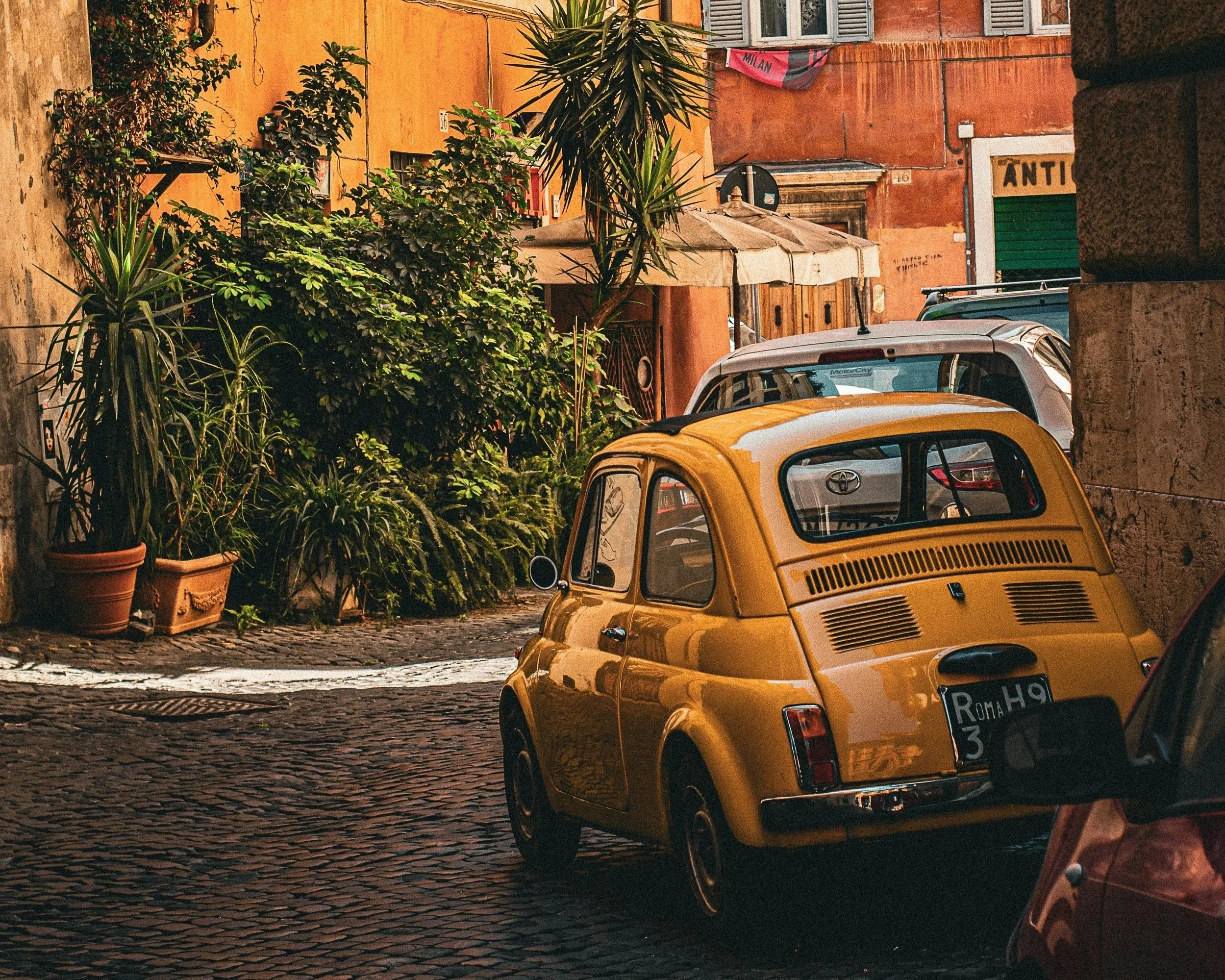
Beyond its iconic landmarks, some of the city's best experiences come from wandering cobblestone streets, discovering neighborhood trattorias, and enjoying the lively atmosphere of its piazzas.
Rome, Italy
FAQS:
-
Rome is the capital of Italy, located in the Lazio region of Central Italy. It is approximately 1.5 hours south of Florence and 1–1.25 hours north of Naples by high-speed train.
-
Rome's primary international airport is Leonardo da Vinci–Fiumicino Airport (FCO), approximately 30–60 minutes from central Rome by car, depending on traffic.
The Leonardo Express train connects Fiumicino Airport directly to Roma Termini, Rome's main train station, in approximately 32 minutes.
-
Rome is a wonderful destination year-round, with each season offering a different experience.
Spring (April–May) and fall (September–October) generally offer pleasant temperatures ideal for sightseeing. Summer (June–August) can be very hot and crowded, while winter (November–March) brings cooler temperatures and typically fewer tourists.
-
U.S. citizens generally do not need a visa for tourist visits of up to 90 days within a 180-day period in the Schengen Area.
Your passport must be valid for at least three months beyond your planned departure from the Schengen Area, although we recommend having at least six months of validity.
The European Union is also introducing the European Travel Information and Authorisation System (ETIAS), which will require eligible visa-exempt travelers to obtain travel authorization once implemented. ETIAS is not yet operational, and travelers should check current requirements before departure.
For current information, visit the U.S. Department of State and the official ETIAS website.
-
Rome is best explored on foot, with public transportation and taxis available for longer distances.
The city has a metro system, buses, and trams connecting major neighborhoods and attractions. Comfortable walking shoes are essential, as many streets are cobblestoned and sidewalks can be uneven.
For taxis, use official white taxis from designated taxi stands or established taxi-booking services. Avoid unsolicited rides near airports, train stations, and major attractions.
-
We do not recommend renting a car in Rome. Heavy traffic, limited parking, narrow streets, and restricted-traffic zones (ZTLs) can make driving challenging.
Walking, public transportation, and taxis are generally more convenient. For day trips, we recommend trains or private transportation whenever practical.
-
Italy uses the Euro (€).
Credit cards are widely accepted at restaurants, shops, and hotels, although we recommend carrying some cash for smaller purchases, markets, and gratuities.
Euros can be obtained before departure or withdrawn from ATMs upon arrival. When paying by card or withdrawing cash, selecting the local currency rather than U.S. dollars generally provides a better exchange rate.
-
Italy operates on a 230-volt electrical system using Type C, F, and L outlets.
Most modern smartphones, laptops, tablets, and camera chargers are dual-voltage and only require a plug adapter. Check each device's voltage specifications before traveling.
Higher-powered appliances such as hair dryers, curling irons, and straighteners may require a voltage converter if they are not designed for 230V electricity. We recommend using dual-voltage appliances whenever possible.
-
Most modern smartphones will work in Italy with an international cellular plan or an eSIM.
We recommend contacting your mobile provider before departure to confirm international coverage and applicable fees. Wi-Fi is widely available at hotels, restaurants, and cafés.
Having a working phone with mobile data is especially helpful for navigation, contacting accommodations, and handling unexpected travel delays.
-
Yes! Rome's tap water is safe to drink.
The city also has numerous public drinking fountains called nasoni, which provide fresh drinking water throughout Rome. We recommend bringing a reusable water bottle to refill while sightseeing.
Do not drink from decorative fountains unless specifically marked as drinking water.
-
Tipping in Italy is not required in the same way it is in the United States, as service charges are often included. That said, gratuities are always welcomed and appreciated for good service. A 15–20% tip is considered generous when you choose to leave one.
Services where tipping is commonly given include:
Restaurants
Taxis and private drivers
Tour guides
Chefs leading cooking classes
Hotel concierge services and bellhops
Housekeeping and cleaning services
Ultimately, tipping is at your discretion and should reflect the level of service you receive.
-
Rome charges a local tourist tax (imposta di soggiorno) to overnight visitors.
The amount varies depending on the accommodation type and is generally calculated per person, per night, subject to applicable limits and exemptions.
This tax is separate from accommodation charges and is typically collected by the hotel or property during your stay.
-
Yes! We strongly recommend purchasing travel insurance to protect against unexpected events such as trip cancellations, medical emergencies, travel delays, and lost luggage.
Be sure to review your policy's coverage, exclusions, and cancellation terms before purchasing.

MUST-SEE ATTRACTIONS
-
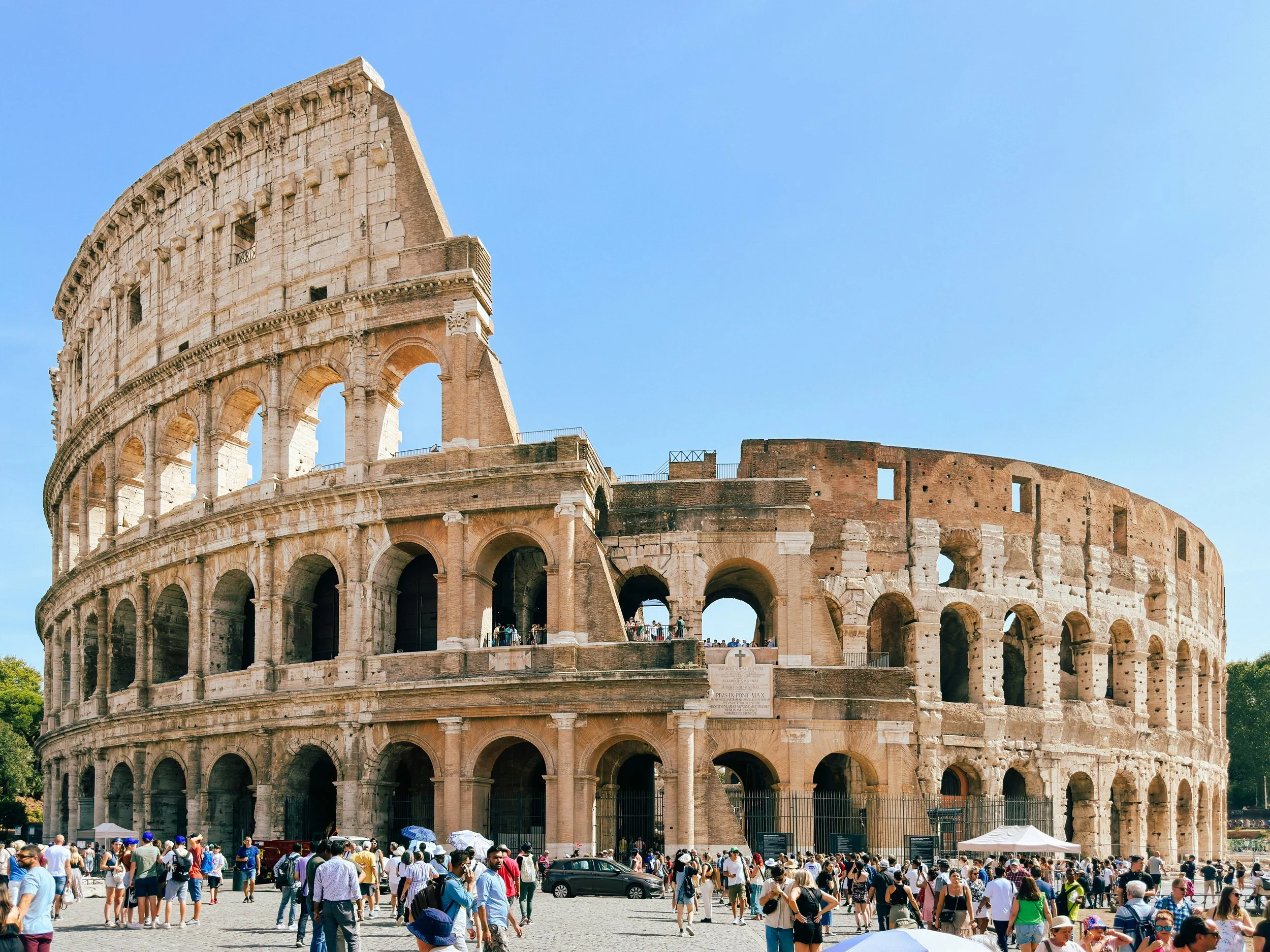
THE COLOSSEUM & ROMAN FORUM
Explore Rome's most iconic ancient amphitheater and the ruins of the Roman Empire's political and social center. The Colosseum once hosted gladiatorial contests and public spectacles, while the Roman Forum was the heart of ancient Roman life.
We recommend booking a guided tour to fully appreciate the history of these extraordinary sites.
-
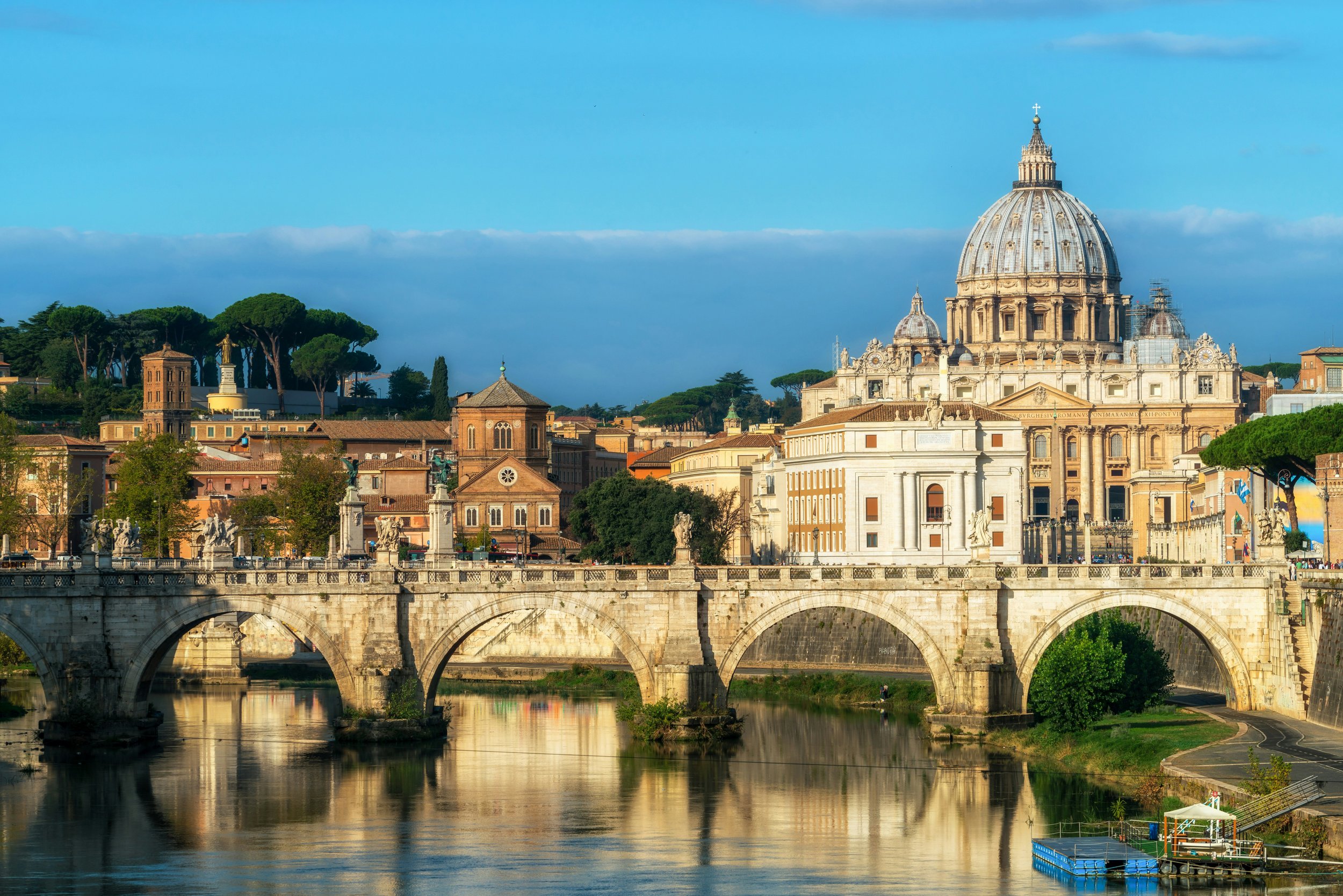
VATICAN MUSEUMS, SISTINE CHAPEL, & ST. PETER'S BASILICA
The Vatican is home to one of the world's most remarkable collections of art and architecture.
Visit the Vatican Museums to see centuries of artistic masterpieces, including Michelangelo's famous Sistine Chapel ceiling, and explore the magnificent St. Peter's Basilica.
Allow several hours for your visit and reserve museum admission well in advance.
-
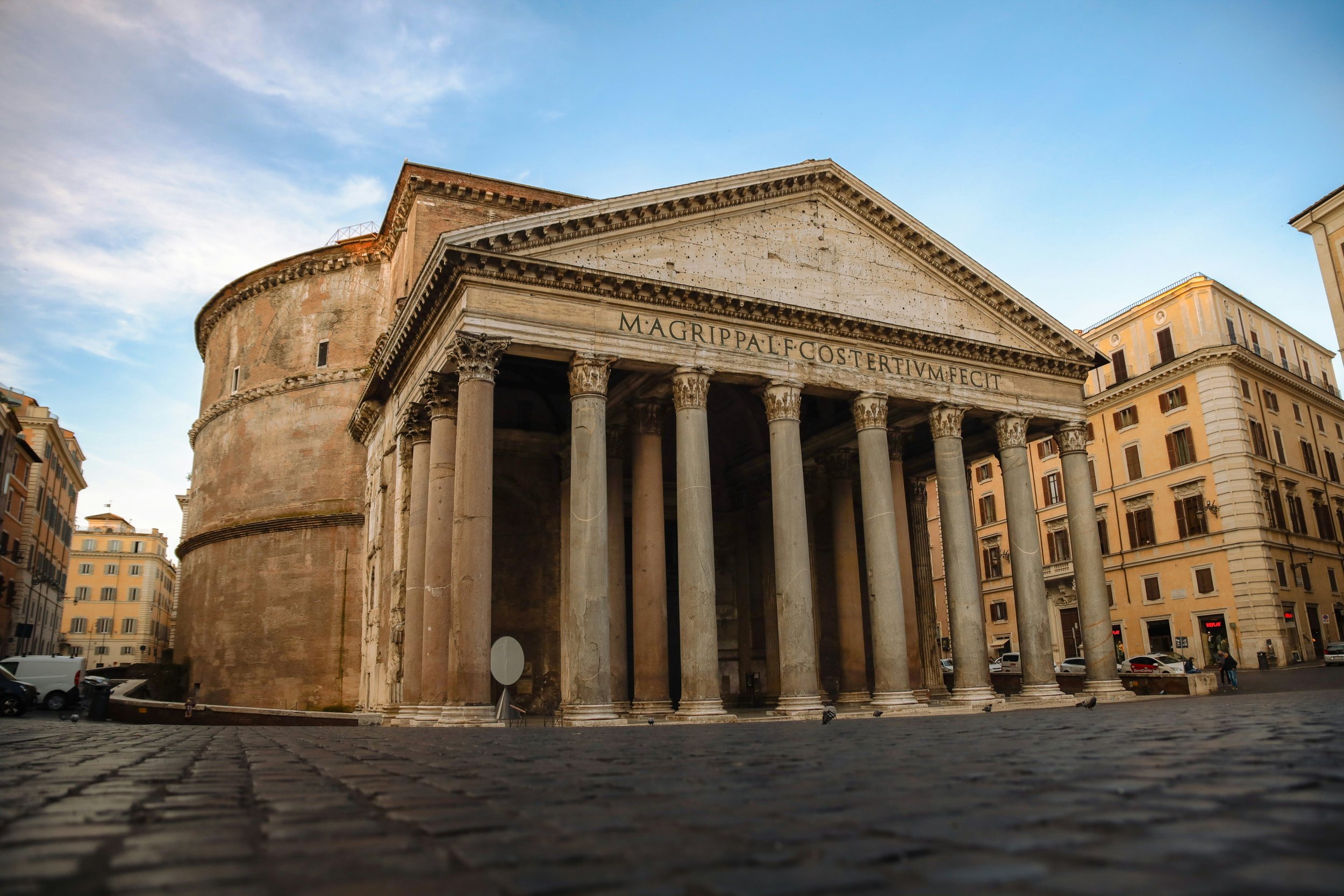
THE PANTHEON
One of ancient Rome's best-preserved monuments, the Pantheon is famous for its enormous dome and central oculus.
Located in the lively Piazza della Rotonda, it is surrounded by cafés and restaurants and is an excellent stop while exploring the historic center.
-

TREVI FOUNTAIN
Rome's famous Baroque fountain is one of the city's most photographed landmarks.
Tradition says that tossing a coin into the fountain ensures a return visit to Rome. We recommend visiting early in the morning or later in the evening to avoid the largest crowds.
Check current access arrangements before visiting.
-

SPANISH STEPS & PIAZZA DI SPAGNA
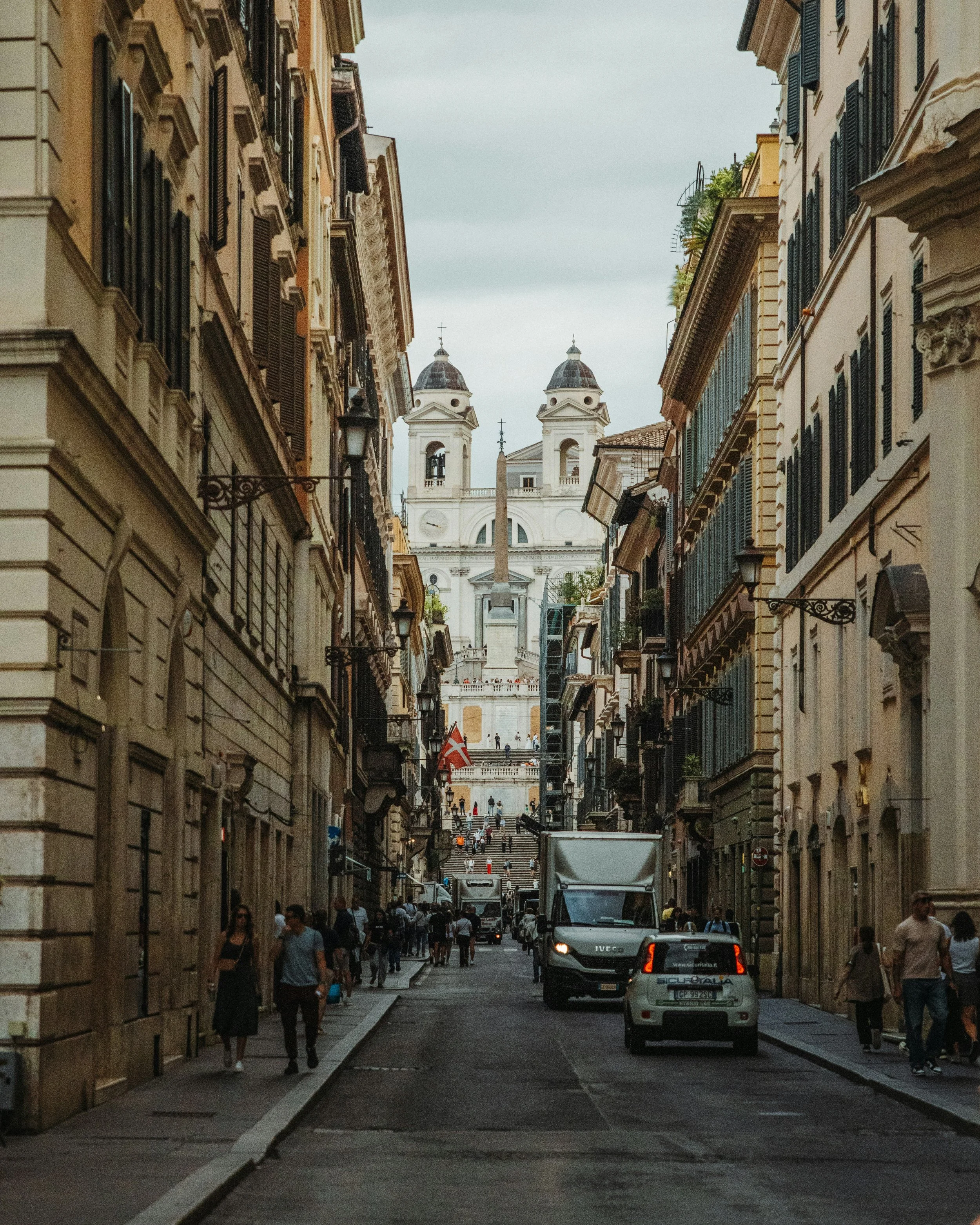
The Spanish Steps connect Piazza di Spagna with the Trinità dei Monti church above.
This elegant area is surrounded by historic cafés, beautiful architecture, and some of Rome's most famous shopping streets, including Via Condotti.
-
ADDITIONAL HIGHLIGHTS
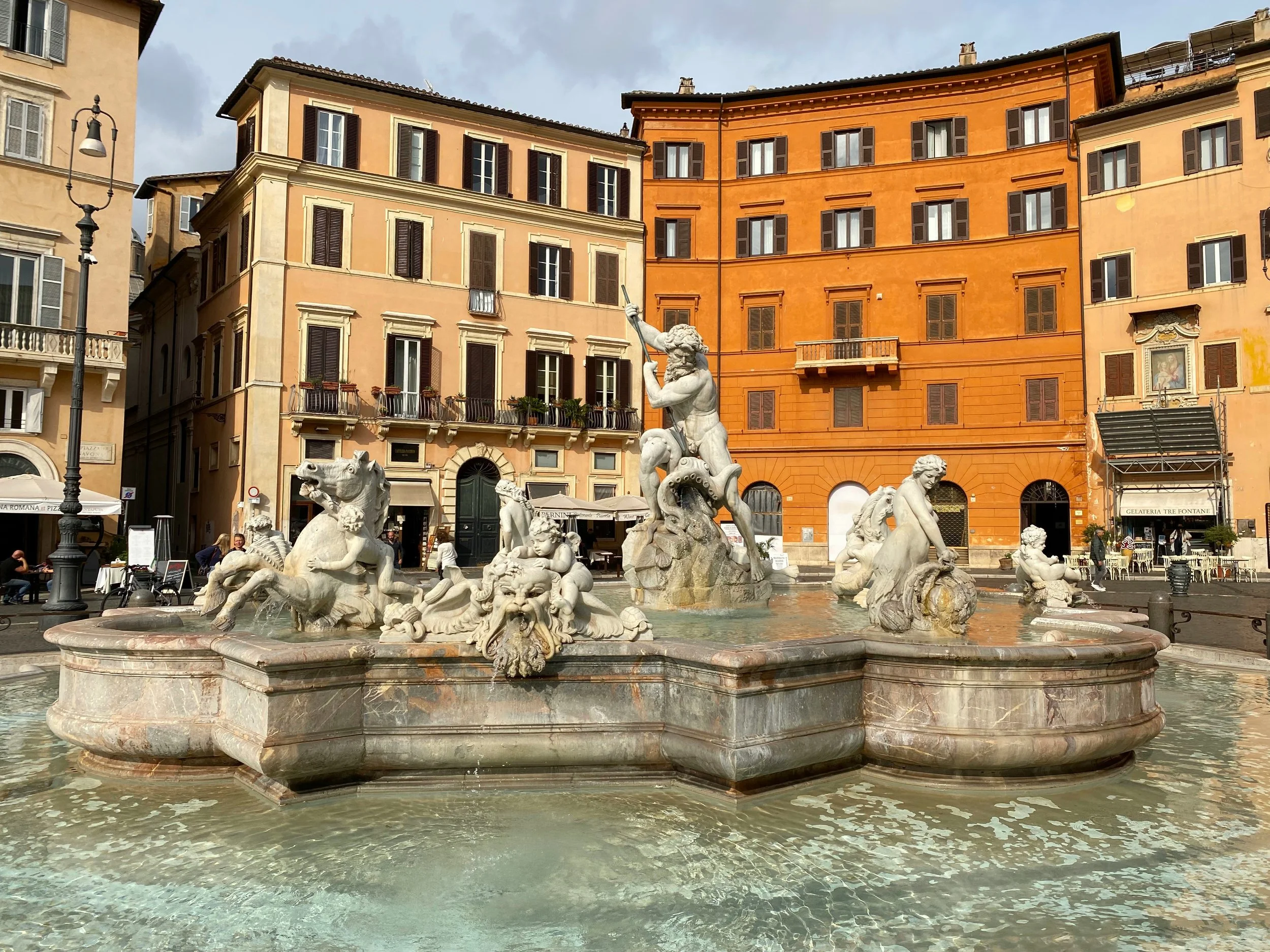
Piazza Navona: One of Rome's most beautiful squares, known for its Baroque fountains, outdoor cafés, and lively atmosphere.
Castel Sant'Angelo: Historic fortress and museum offering panoramic views of Rome and the Vatican.
Villa Borghese & Borghese Gallery: Expansive gardens and an exceptional art collection featuring Bernini and Caravaggio.
Campo de' Fiori: A lively piazza with a daytime market, restaurants, and an energetic evening atmosphere.
NEIGHBORHOODS WORTH EXPLORING
-
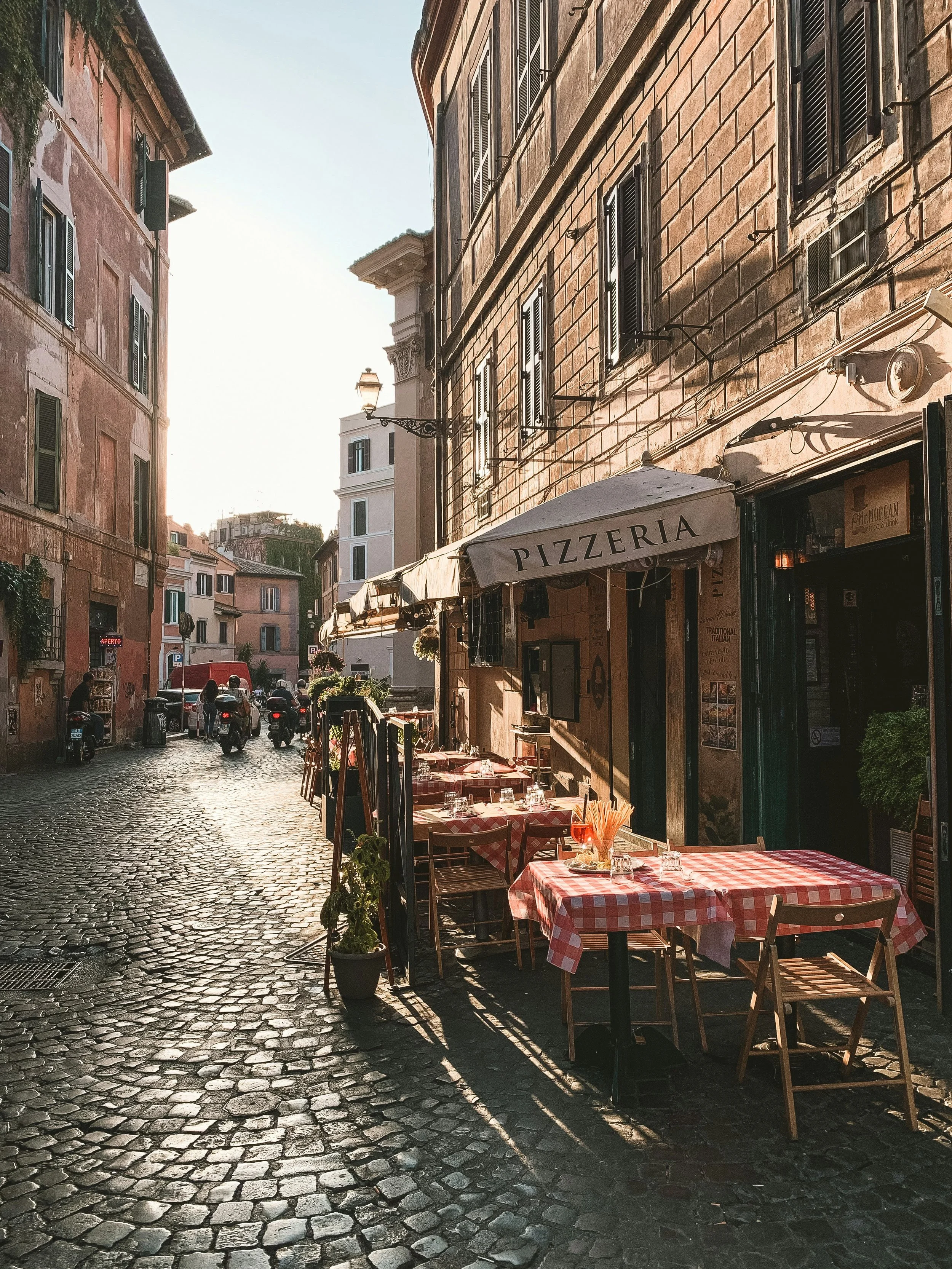
TRASTEVERE
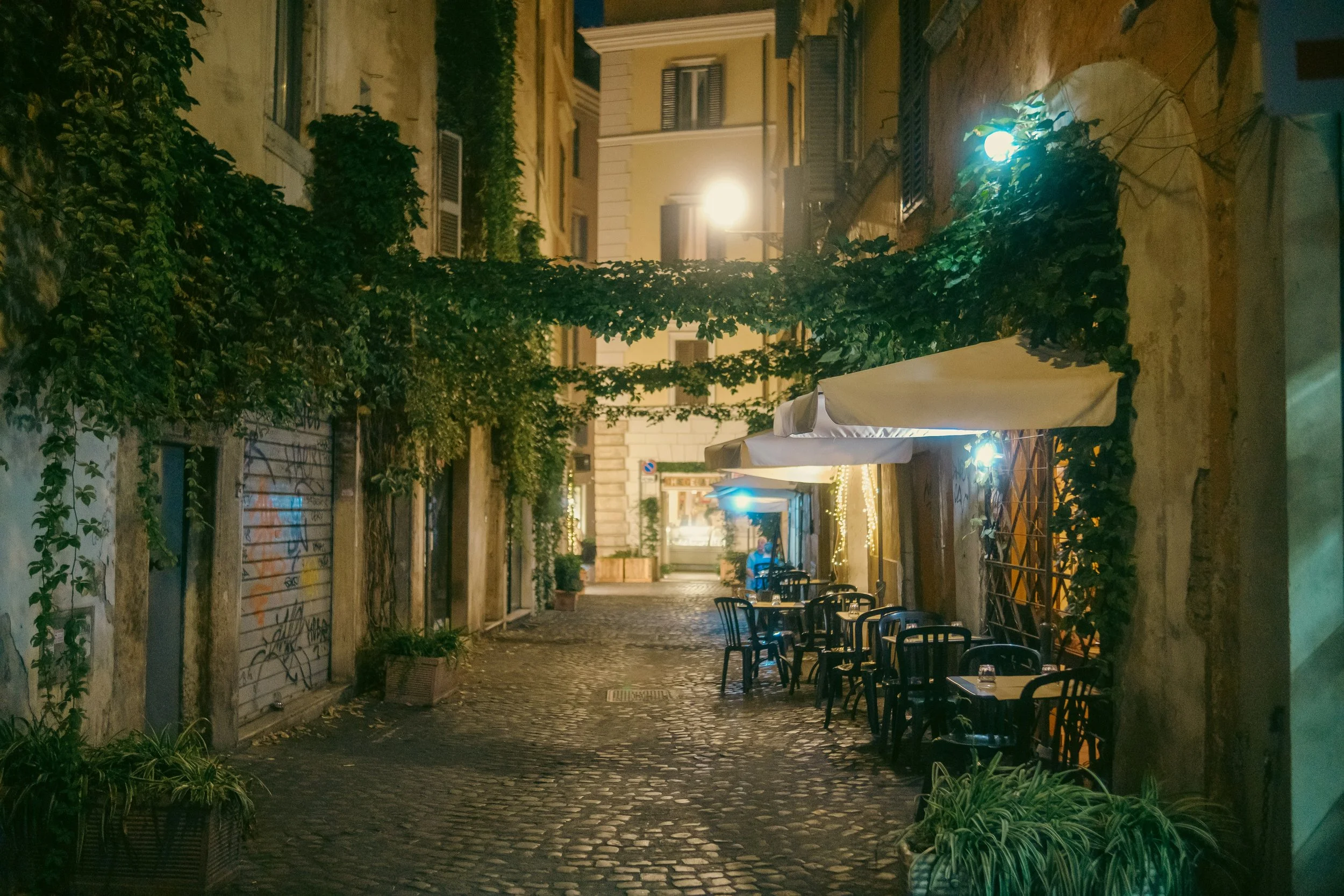
One of Rome's most charming neighborhoods, known for its cobblestone streets, colorful buildings, traditional trattorias, and lively nightlife. An excellent destination for dinner and an evening stroll.
-
MONTI
A trendy neighborhood near the Colosseum featuring independent boutiques, artisan shops, cozy wine bars, and intimate restaurants.
-
TESTACCIO
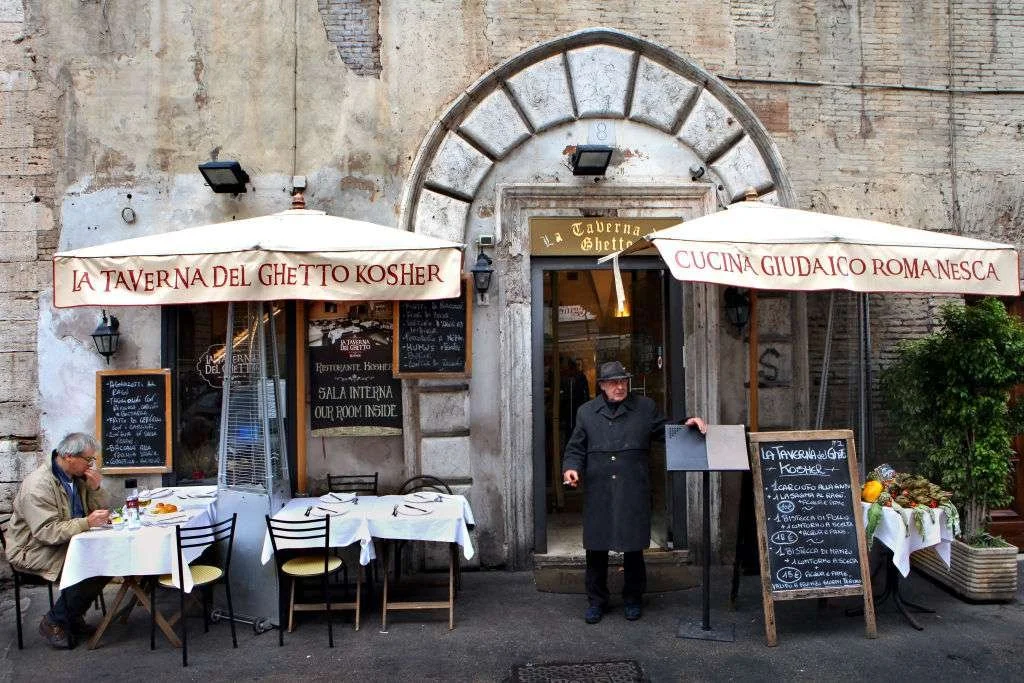
Known for its traditional Roman cuisine and authentic local atmosphere. Visit the neighborhood market or enjoy a meal at a classic Roman trattoria.
-
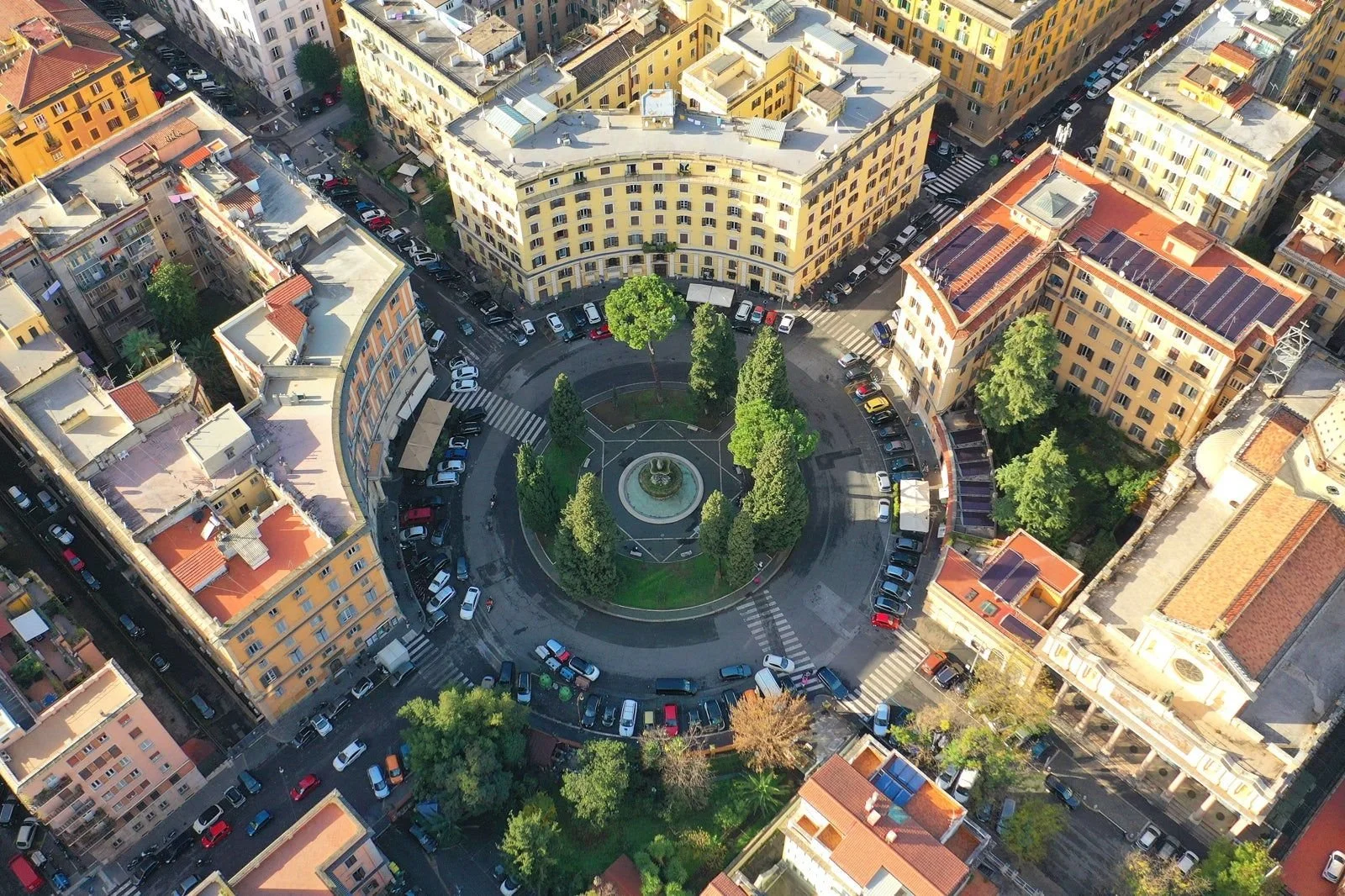
PRATI
An elegant neighborhood near Vatican City with shopping streets, restaurants, and cafés. A good option for visitors seeking a slightly quieter atmosphere than the historic center.
RESTAURANTS
-

LA CIAMBELLA
La Ciambella – Near the Pantheon
An elegant restaurant and wine bar serving modern interpretations of traditional Roman cuisine.
-
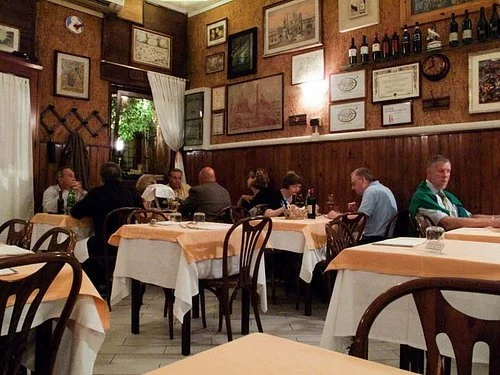
ARMANDO AL PANTHEON
Armando al Pantheon – Near the Pantheon
-
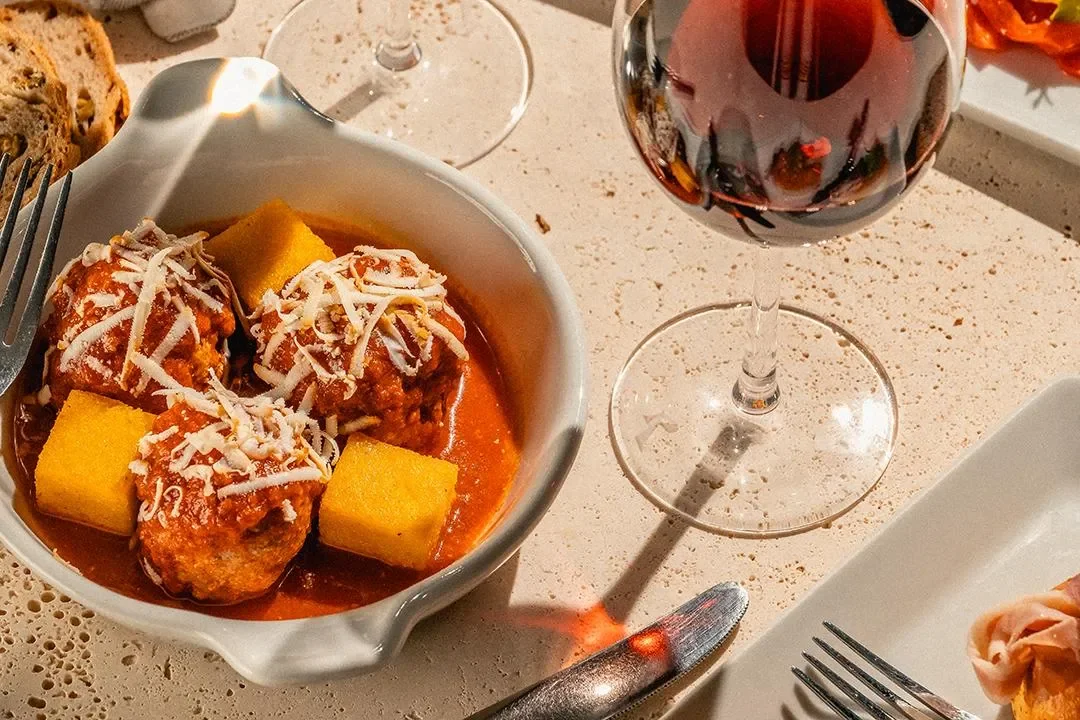
SALUMERIA ROSCIOLI
Salumeria Roscioli – Near Campo de' Fiori
A renowned restaurant, deli, and wine bar known for excellent pasta, cured meats, cheeses, and wines.
-
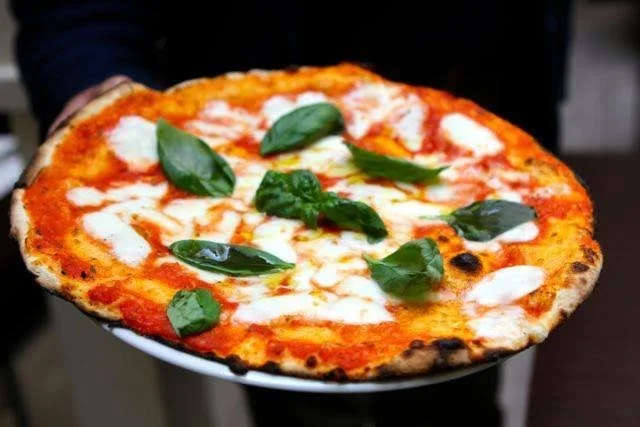
EMMA PIZZERIA
Emma Pizzeria – Near Campo de' Fiori
Popular for Roman-style thin-crust pizza and traditional pasta dishes.
-
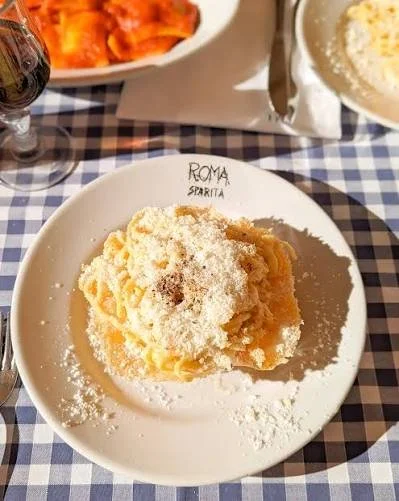
ROMA SPARITA
Roma Sparita – Trastevere
A traditional trattoria particularly known for its cacio e pepe.
-
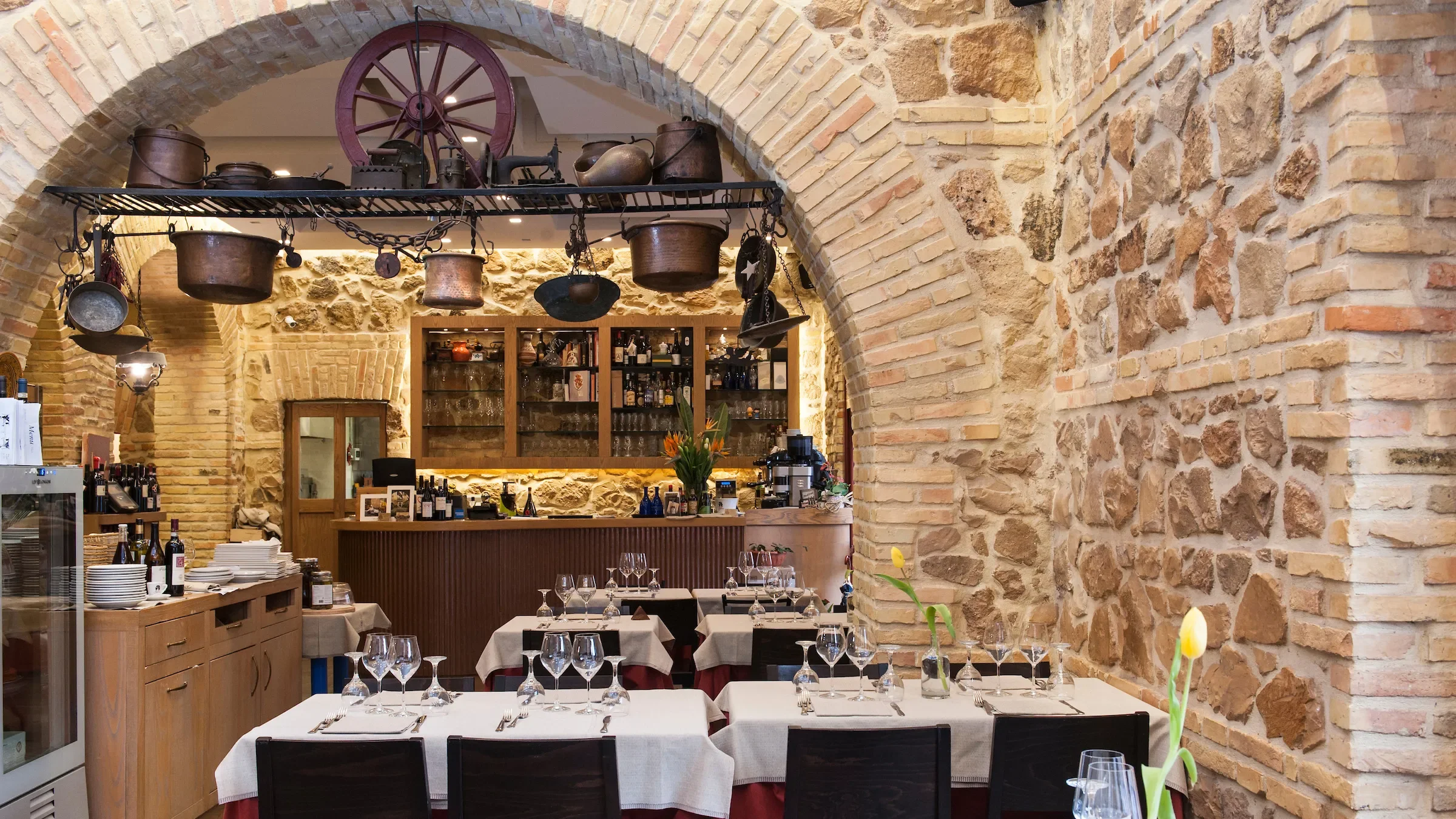
LA TAVERNACCIA DA BRUNO
La Tavernaccia da Bruno – Trastevere
Family-run restaurant offering traditional Roman dishes, including slow-roasted meats and homemade pasta.
-
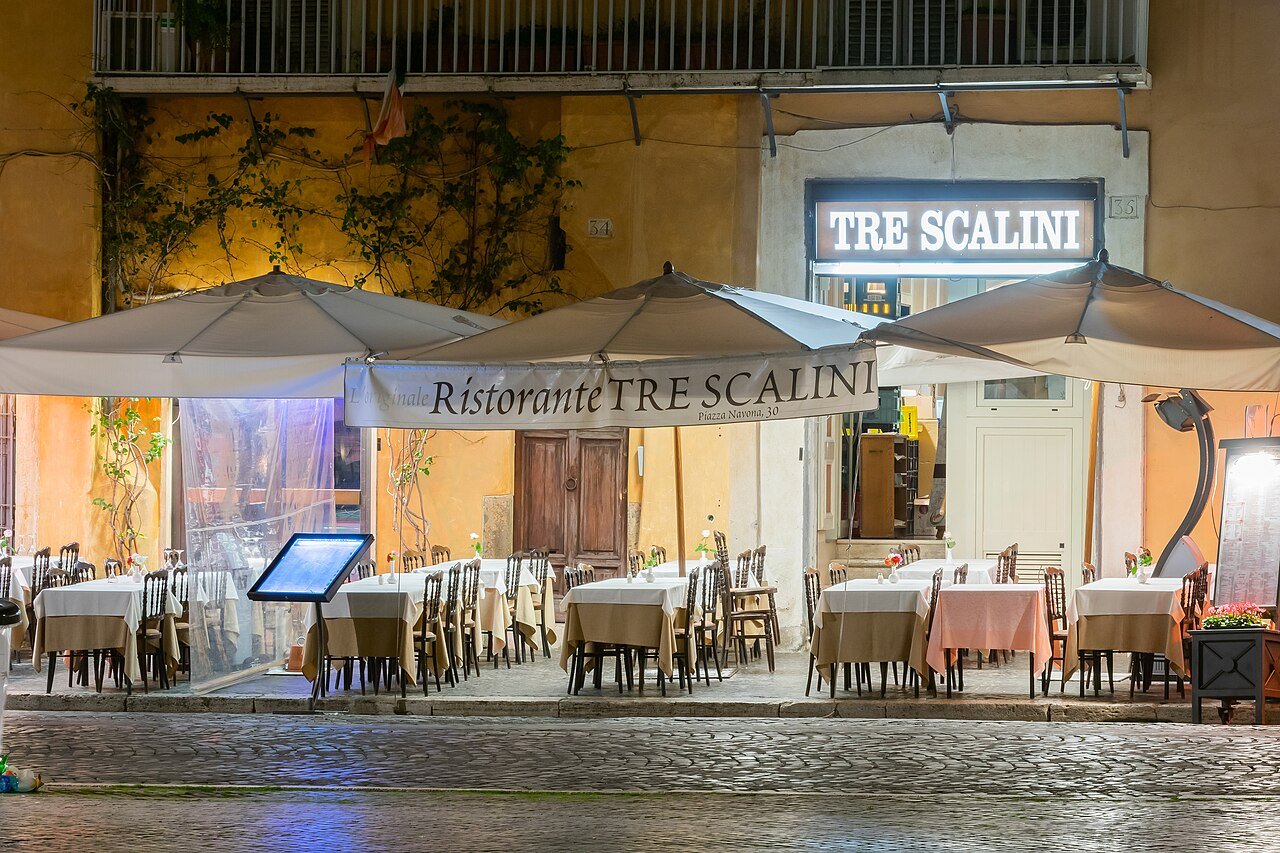
AI TRE SCALINI
Ai Tre Scalini – Monti
A cozy wine bar ideal for antipasti, local wines, and aperitivo.
-
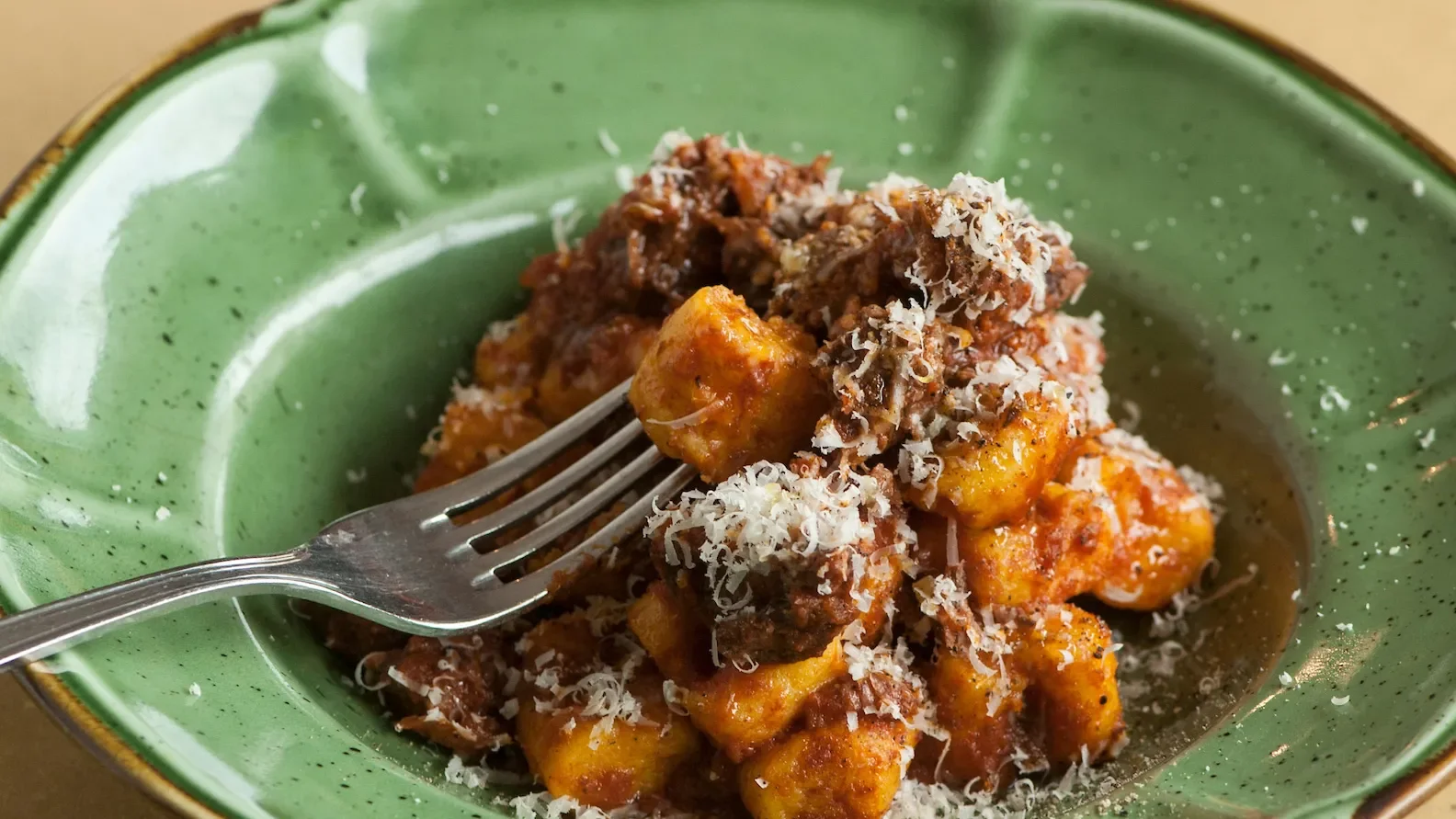
SANTOPALATO
SantoPalato – San Giovanni
A contemporary trattoria celebrating traditional Roman cuisine with a creative approach.
-
FOR ADDITIONAL DINING IDEAS, EXPLORE:
Eater's Best Restaurants in Rome or Luggage and Life's Neighborhood Restaurant Guide.
Local Foods to Try
Carbonara: Pasta with egg, Pecorino Romano, guanciale, and black pepper.
Cacio e Pepe: A classic Roman pasta with Pecorino Romano and black pepper.
Amatriciana: Pasta with tomato, guanciale, and Pecorino Romano.
Supplì: Fried rice croquettes, often filled with mozzarella.
Carciofi alla Romana or alla Giudia: Roman-style or Jewish-Roman-style artichokes, particularly popular when in season.
Pizza al Taglio: Roman pizza sold by the slice, ideal for a quick lunch.
DAY TRIPS FROM ROME
-
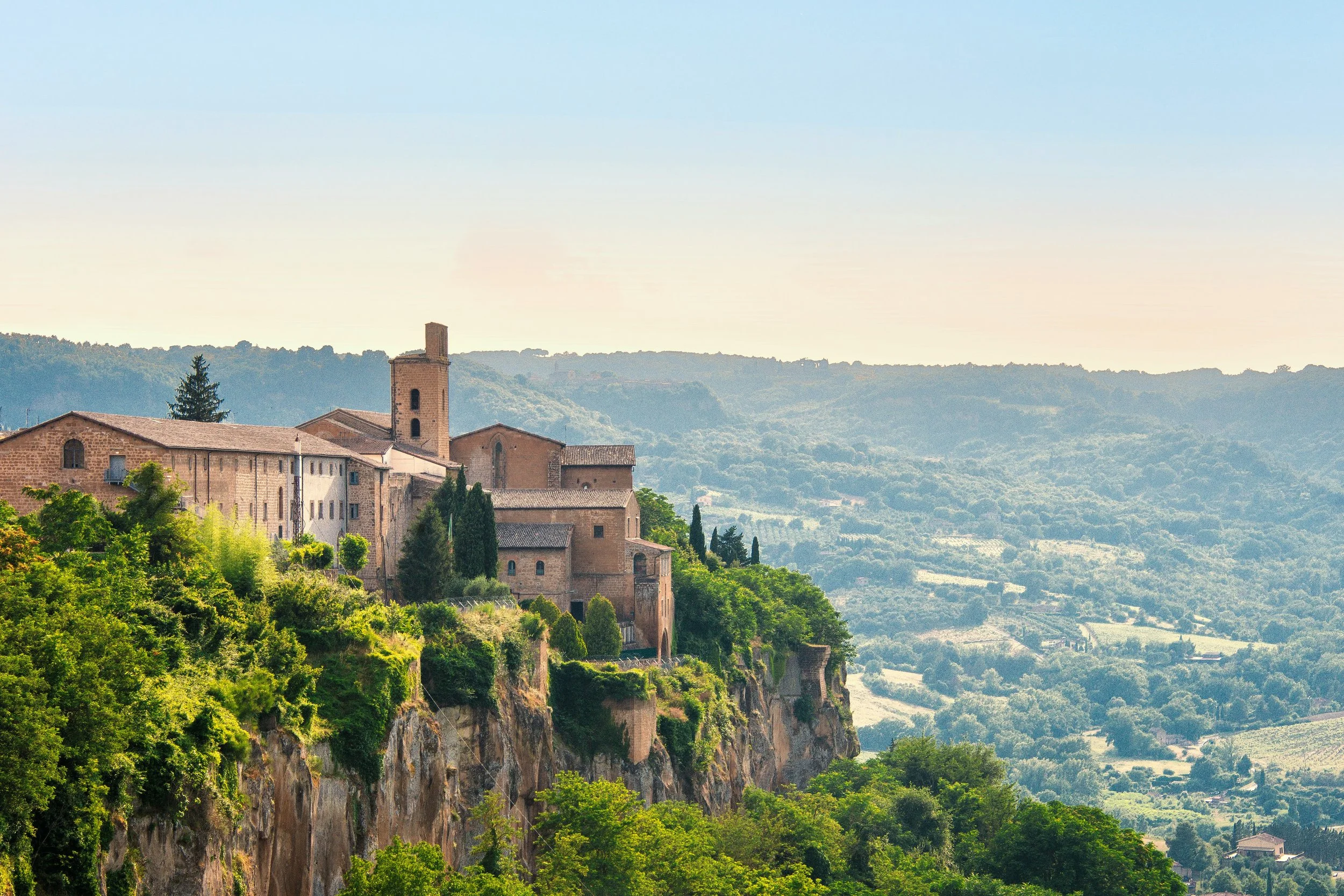
ORVIETO
Approximately 1–1.5 hours by train
A beautiful hilltop town in Umbria known for its magnificent cathedral, underground caves, Etruscan heritage, and local wines. An excellent choice for a relaxed day outside Rome.
-
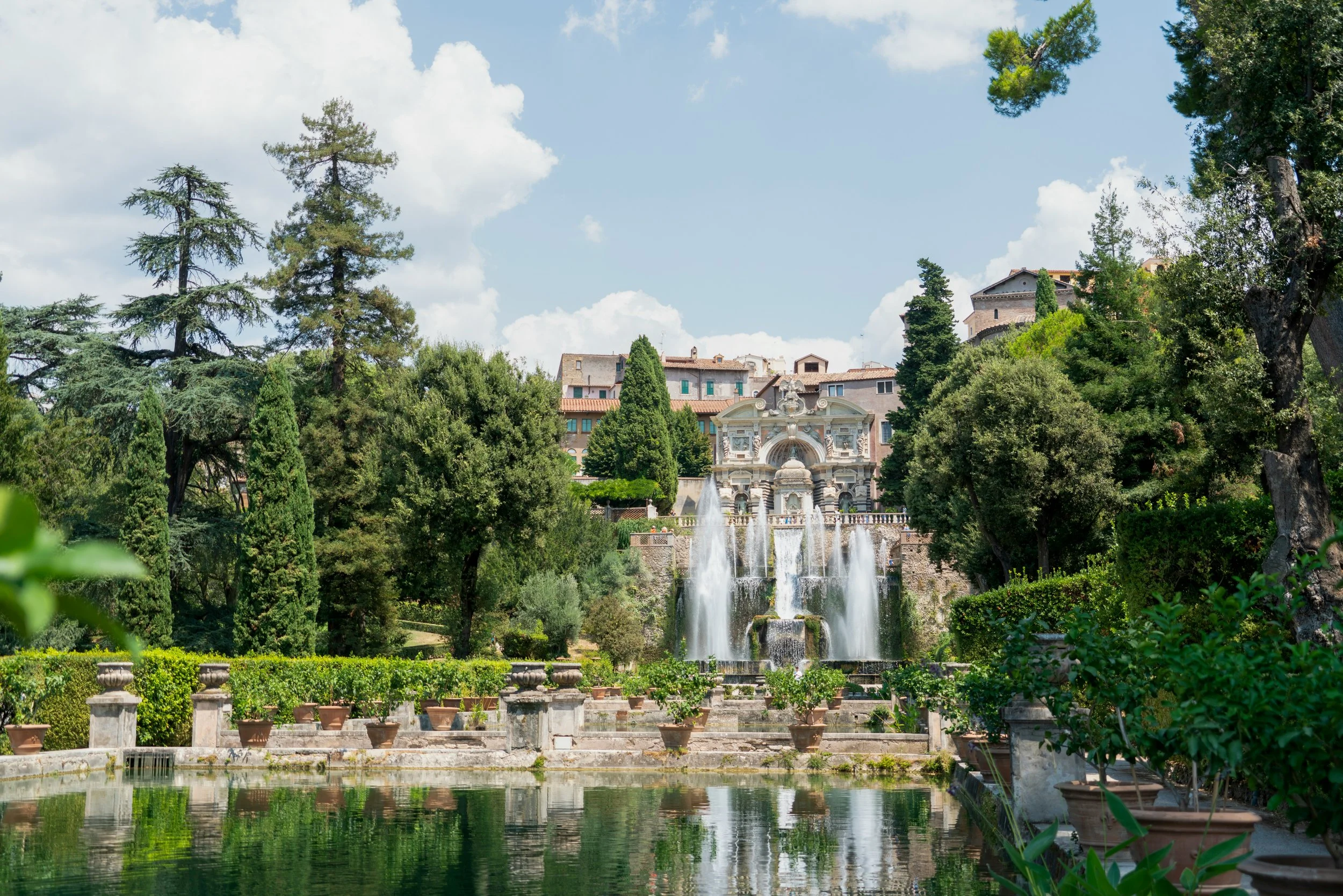
TIVOLI
Approximately 45–60 minutes by car
Visit the extraordinary fountains and gardens of Villa d'Este or explore Hadrian's Villa, the expansive ancient retreat of the Roman emperor.
-
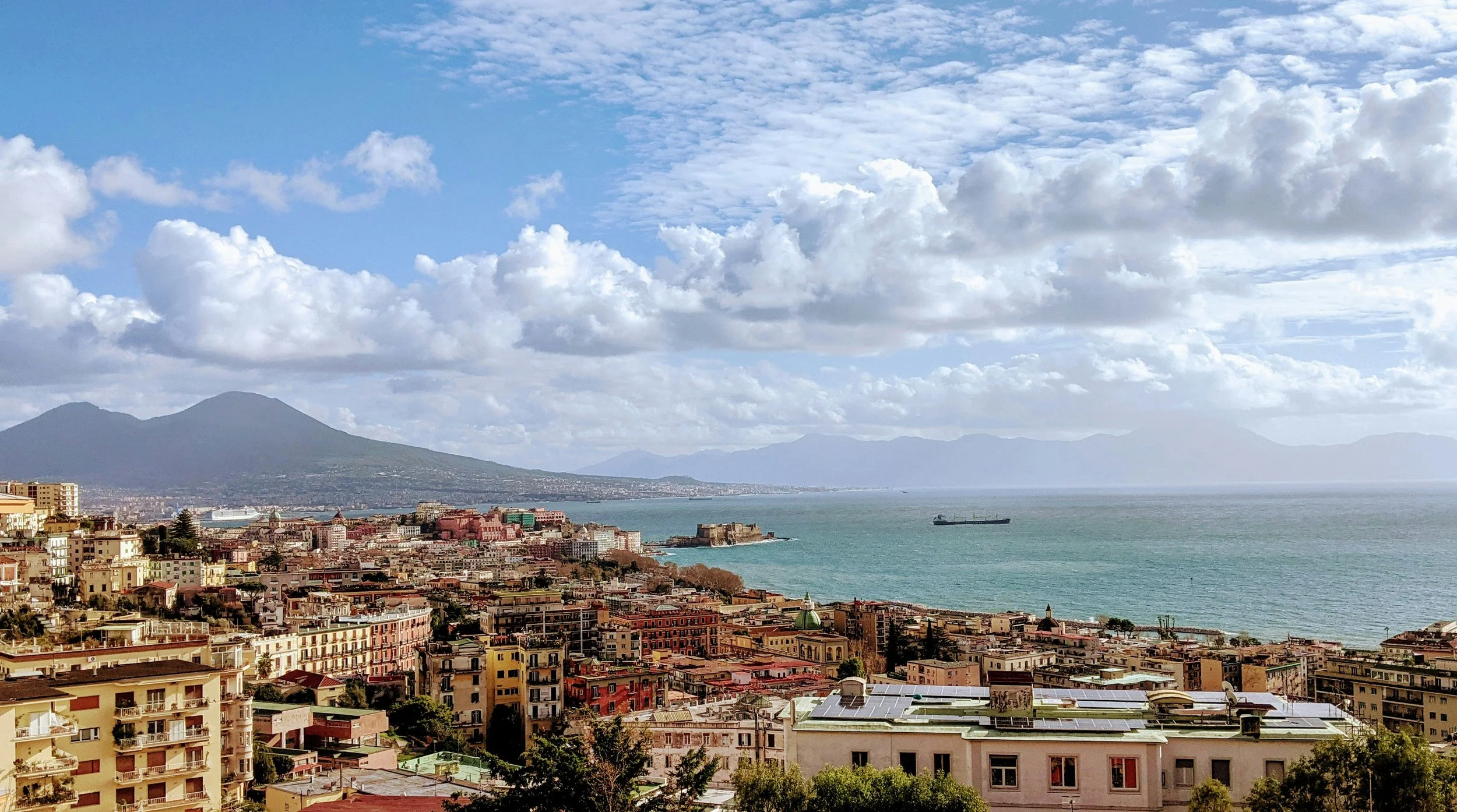
NAPLES
Approximately 1–1.25 hours by high-speed train
Experience lively historic streets, renowned Neapolitan pizza, beautiful churches, and waterfront views. Naples is an excellent destination for food lovers and history enthusiasts.
-
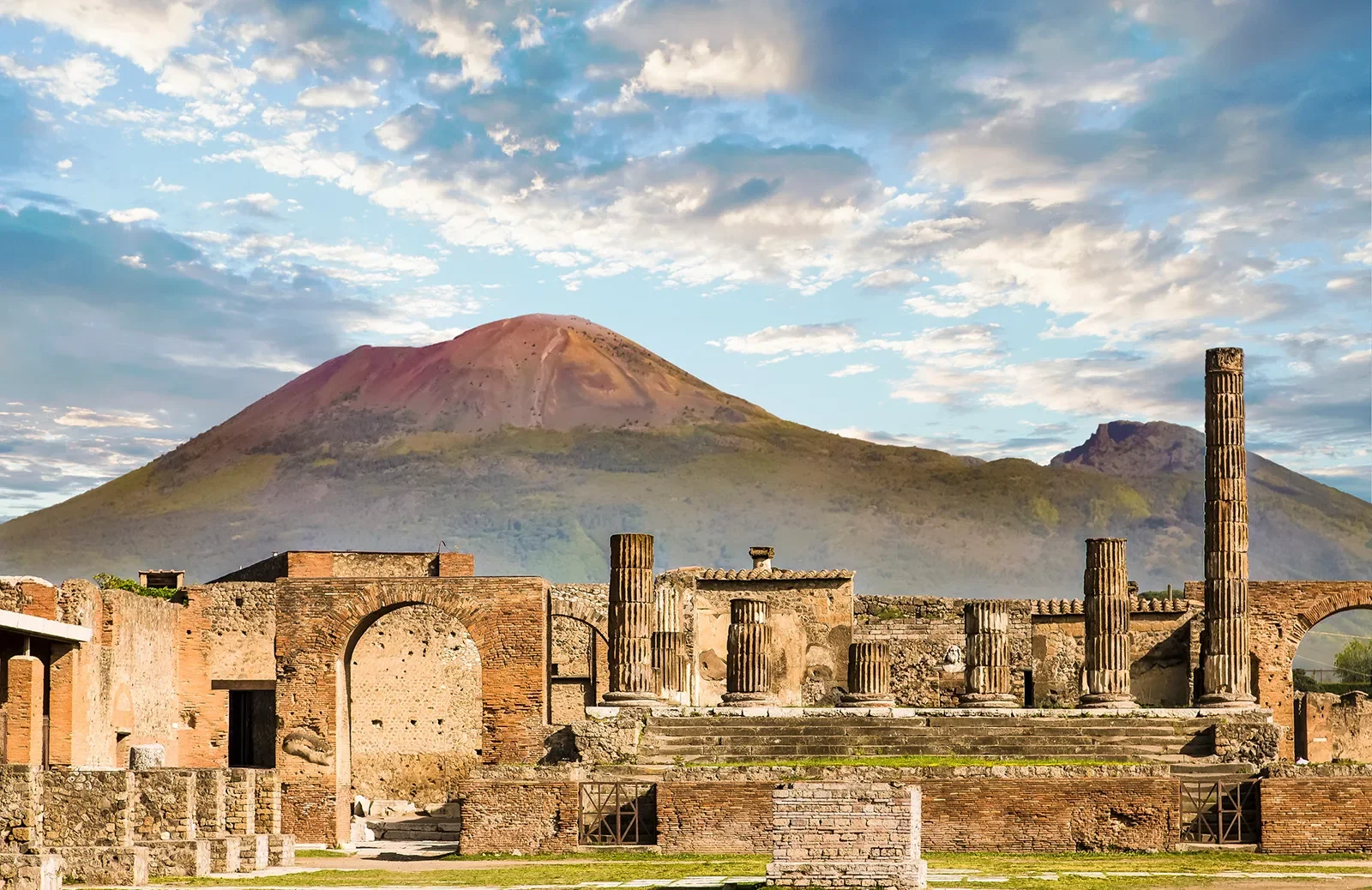
POMPEII
Approximately 2–2.5 hours by train, including transfers
Explore the remarkably preserved ruins of an ancient Roman city destroyed by the eruption of Mount Vesuvius in AD 79.
Plan a full day and consider a guided tour to better understand the site's fascinating history.
-
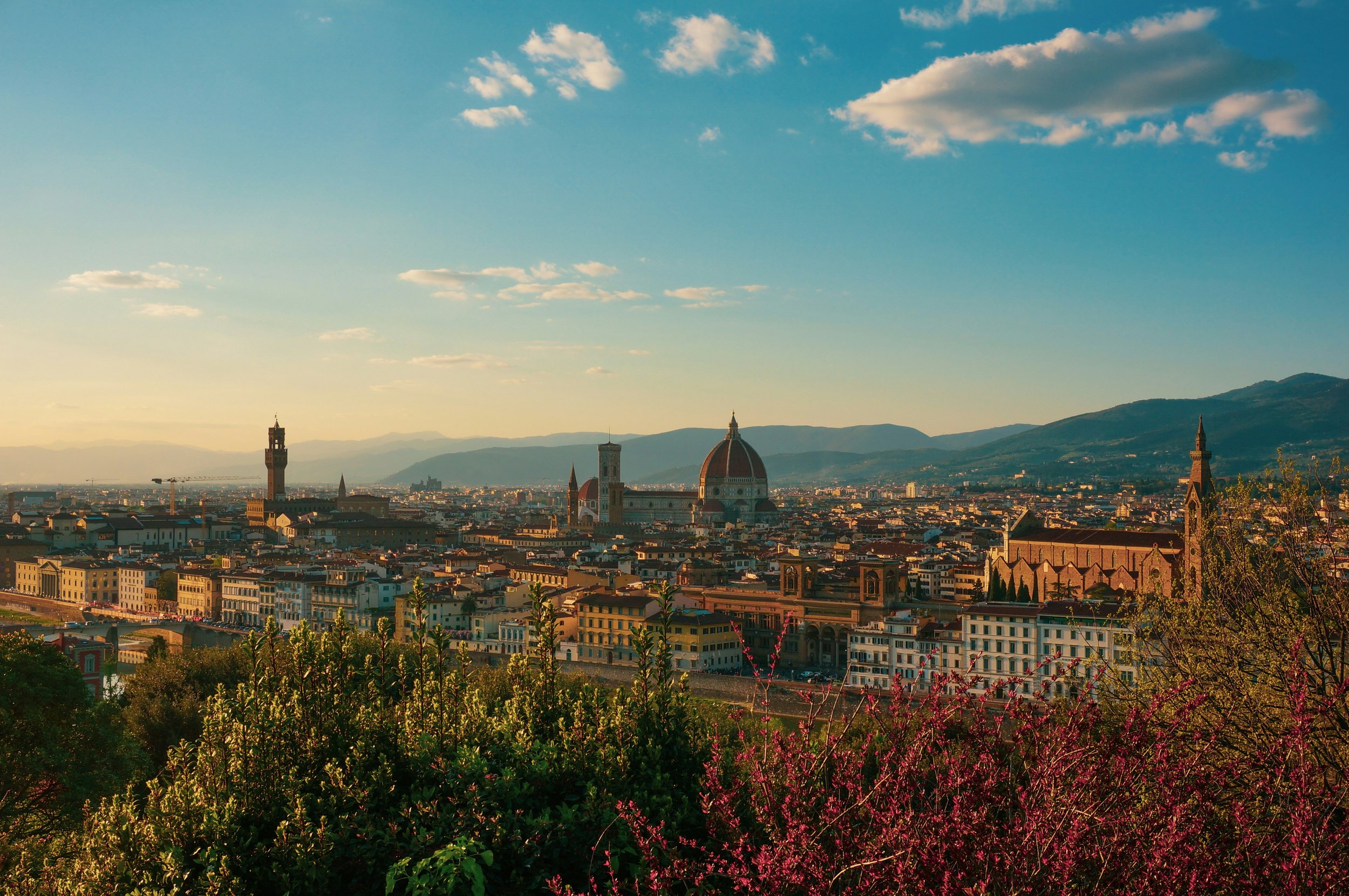
FLORENCE
Approximately 1.5 hours by high-speed train
Discover Renaissance art, magnificent architecture, world-famous museums, and exceptional Tuscan cuisine.
Highlights include the Duomo, Uffizi Gallery, Accademia Gallery, and Ponte Vecchio. Best enjoyed as a full-day visit or overnight stay.
-
ADDITIONAL EXCURSIONS:
Saturnia: Known for its natural thermal springs and beautiful Tuscan countryside. Approximately 2.5–3 hours by car.
Cortona: A charming Tuscan hill town offering historic streets, spectacular countryside views, and local wine and cuisine. Best enjoyed as a longer visit.
Amalfi Coast: A spectacular coastal destination known for picturesque villages, dramatic scenery, and beautiful Mediterranean views. Due to the distance from Rome, we recommend an overnight stay rather than a day trip. Private transportation is recommended for exploring the coastal roads.
ADDITIONAL INSIDER TIPS
Book Attractions Early: The Colosseum, Vatican Museums, and Borghese Gallery are extremely popular. Reserve tickets or guided tours in advance through official websites whenever possible.
Plan Around the Crowds: Visit popular landmarks early in the morning or later in the evening for a more relaxed experience. Major religious holidays and Vatican events can also increase crowds.
Dress Appropriately for Churches: Modest clothing is required at many religious sites, particularly St. Peter's Basilica. Shoulders and knees should be covered.
Be Mindful of Pickpockets: Exercise extra caution around major attractions, train stations, and crowded public transportation. Keep valuables secure and avoid leaving phones or bags unattended at cafés.
Wear Comfortable Shoes: Rome's historic streets are beautiful but often uneven and cobblestoned. Comfortable walking shoes are essential.
Understand Dining Customs: Italians typically eat dinner later than Americans, and many restaurants do not begin dinner service until 7:00 or 7:30 PM. A coperto (cover charge) may appear on restaurant bills.
Take Time to Explore: Rome is best enjoyed at a leisurely pace. Rather than filling every hour with scheduled attractions, allow time to wander its piazzas, discover neighborhood cafés, and enjoy an afternoon aperitivo.