
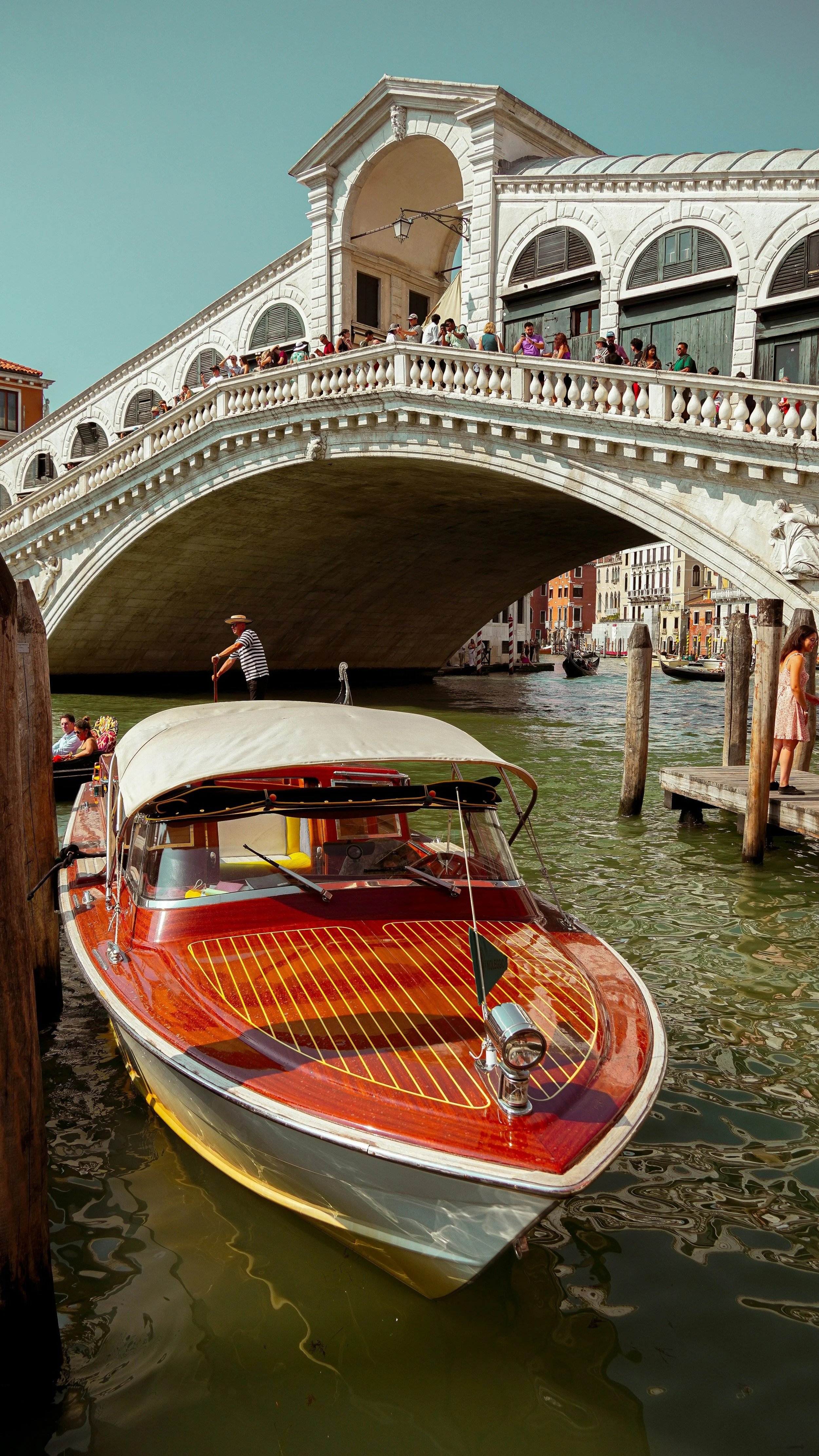
VENICE INSIDER TIPS
Welcome to Venice, one of Italy's most extraordinary destinations. Built on a network of canals and islands in the Venetian Lagoon, Venice is celebrated for its historic palaces, beautiful bridges, winding streets, and centuries of artistic and maritime heritage.
From gliding along the Grand Canal to enjoying cicchetti and a spritz at a neighborhood wine bar, Venice offers an experience unlike anywhere else in Italy. Beyond its famous landmarks, you'll find charming squares, artisan workshops, peaceful canals, and a fascinating local culture waiting to be discovered.
Whether you're visiting for the first time or returning to explore more deeply, these insider tips will help you make the most of your Venetian adventure.
Venice, Italy
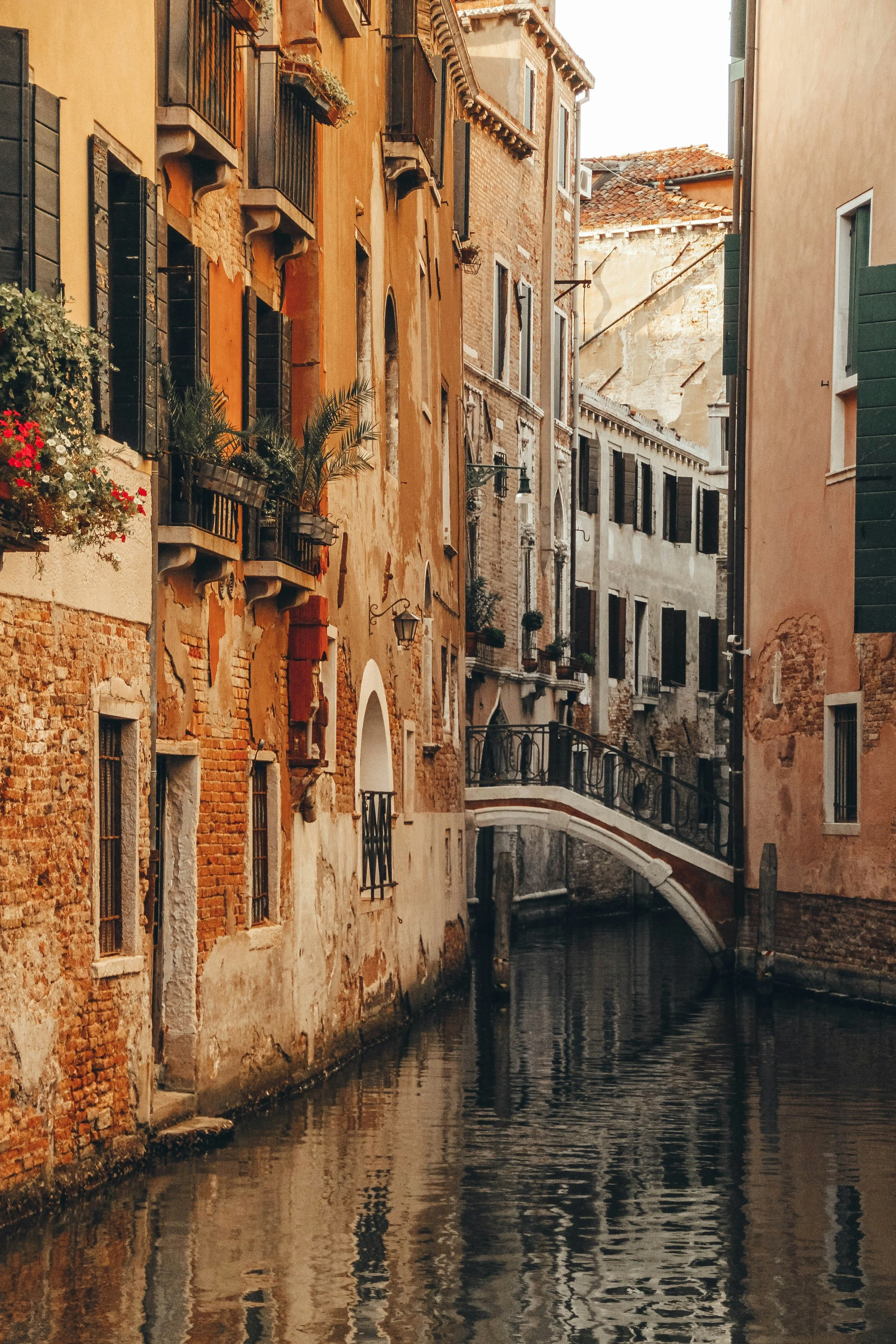
FAQS:
-
Italy uses the Euro (€). Credit cards are widely accepted at hotels, restaurants, and shops, but carrying some cash is helpful for small purchases, markets, and local businesses. ATMs are readily available.
-
Italy uses Type C, F, and L electrical outlets, with a standard voltage of 230V and frequency of 50Hz.
Travelers from the United States will need a plug adapter. Many modern electronic devices are dual voltage, but check your device's specifications before use.
-
Tipping is appreciated but generally not expected at the same level as in the United States.
Restaurants: A 5–10% tip is generous for excellent service, although rounding up or leaving a few euros is also common.
Cafés & Bars: Rounding up or leaving small change is appreciated.
Private Drivers & Water Taxis: Approximately €5–10 for good service, depending on the journey and assistance provided.
Tour Guides: Approximately €5–10 per person for a group tour or €10–20 for a private tour, depending on duration and service.
Some restaurants charge a coperto (cover charge), which is not the same as a tip. Always check the bill before leaving additional gratuity.
-
Yes. Tap water in Venice is generally safe to drink. Public drinking fountains are available throughout the city, so bringing a reusable water bottle is a convenient and environmentally friendly option.
-
Spring (April–May): One of the best times to visit, with mild temperatures, beautiful scenery, and generally pleasant sightseeing conditions. Popular attractions can still be busy.
Summer (June–August): We generally do not recommend visiting Venice during the summer months. Temperatures can be hot and humid, mosquitoes can be bothersome, and the city experiences extremely large crowds. These conditions can make sightseeing significantly less enjoyable.
Fall (September–November): Another excellent time to visit, with more comfortable sightseeing conditions and a lovely atmosphere. November is typically cooler, wetter, and less crowded, although seasonal high tides are more common.
Winter (December–March): Cooler temperatures and generally fewer visitors outside major holidays and Carnival. Seasonal high tides and occasional flooding are more common.
Our Recommendation: We suggest visiting Venice in April, May, September, October, or November for a more enjoyable experience. These months generally offer a better balance of comfortable sightseeing conditions and manageable crowds, although November tends to be cooler, wetter, and more prone to seasonal high tides.
-
Yes, Venice is highly walkable, but its many bridges, stairs, and stone surfaces can make navigating with luggage or limited mobility challenging.
We recommend comfortable walking shoes and checking the accessibility of your accommodations before arrival. Wheelchair users and guests with mobility concerns should carefully plan routes and transportation.
-
No. We do not recommend renting a car for a stay in Venice. Cars are prohibited throughout the historic center, and guests can explore by walking, water bus, or water taxi.
-
Yes. Venice charges an overnight tourist tax for guests staying in registered accommodations. The amount varies by accommodation type and other factors.
Venice has also implemented a separate access fee for certain day visitors on designated dates. Guests staying overnight in registered accommodations within the municipality have generally been exempt, although registration requirements may apply.
We recommend checking the official website before traveling, as dates, fees, and requirements may change.
-
Acqua alta refers to seasonal high tides that can temporarily flood portions of Venice, particularly during fall and winter.
The city has flood protection systems and monitors tides closely. Temporary raised walkways may be installed when necessary, and some water transportation routes can be affected.
-
Venice is generally considered a safe destination for tourists. As in other popular European cities, visitors should stay aware of pickpockets, particularly around crowded attractions, train stations, and public transportation.
Keep valuables secure and avoid leaving bags unattended.
-
Reservations are strongly recommended for popular restaurants, especially during peak travel months and weekends. Smaller restaurants may have limited seating and fill up well in advance.
-
Many churches require modest attire. Shoulders and knees should generally be covered when entering religious sites, including St. Mark's Basilica.
GETTING TO VENICE
Venice is located in the Veneto region of northeastern Italy, along the Adriatic coast.
By Air
Venice Marco Polo Airport (VCE): The closest major airport, approximately 20–30 minutes from Piazzale Roma by road, or longer by water transportation.
By Train
Venice is well connected to other Italian destinations by high-speed rail. The main train station serving the historic city is Venezia Santa Lucia, located directly along the Grand Canal.
Important: Venice's historic center is car-free. If traveling by rental car, you will need to park or return your vehicle at Piazzale Roma, Tronchetto, or on the mainland before continuing by foot or boat. We generally recommend traveling to Venice by train instead of driving.
GETTING AROUND VENICE
Venice's transportation system is unlike that of any other major Italian city. Walking and traveling by boat are the primary ways to explore.
Vaporetto (Water Bus)
Venice's public water transportation system is one of the easiest ways to travel between neighborhoods and nearby islands. Consider purchasing a multi-day pass if you plan to use it frequently.
Water Taxis
Private water taxis provide a more convenient and comfortable option, especially when arriving with luggage. They are considerably more expensive than public transportation but can sometimes deliver guests close to their accommodations.
Airport Water Shuttle
Alilaguna operates boat services between Marco Polo Airport and several stops throughout Venice. This is different from the regular ACTV vaporetto system.
Airport Bus
Public buses connect Marco Polo Airport to Piazzale Roma, where travelers can continue by foot, vaporetto, or water taxi.
Walking
Walking is often the best way to explore Venice. Be prepared for narrow streets, stone bridges, stairs, and uneven surfaces. Comfortable walking shoes are essential, and even short distances can take longer than expected.
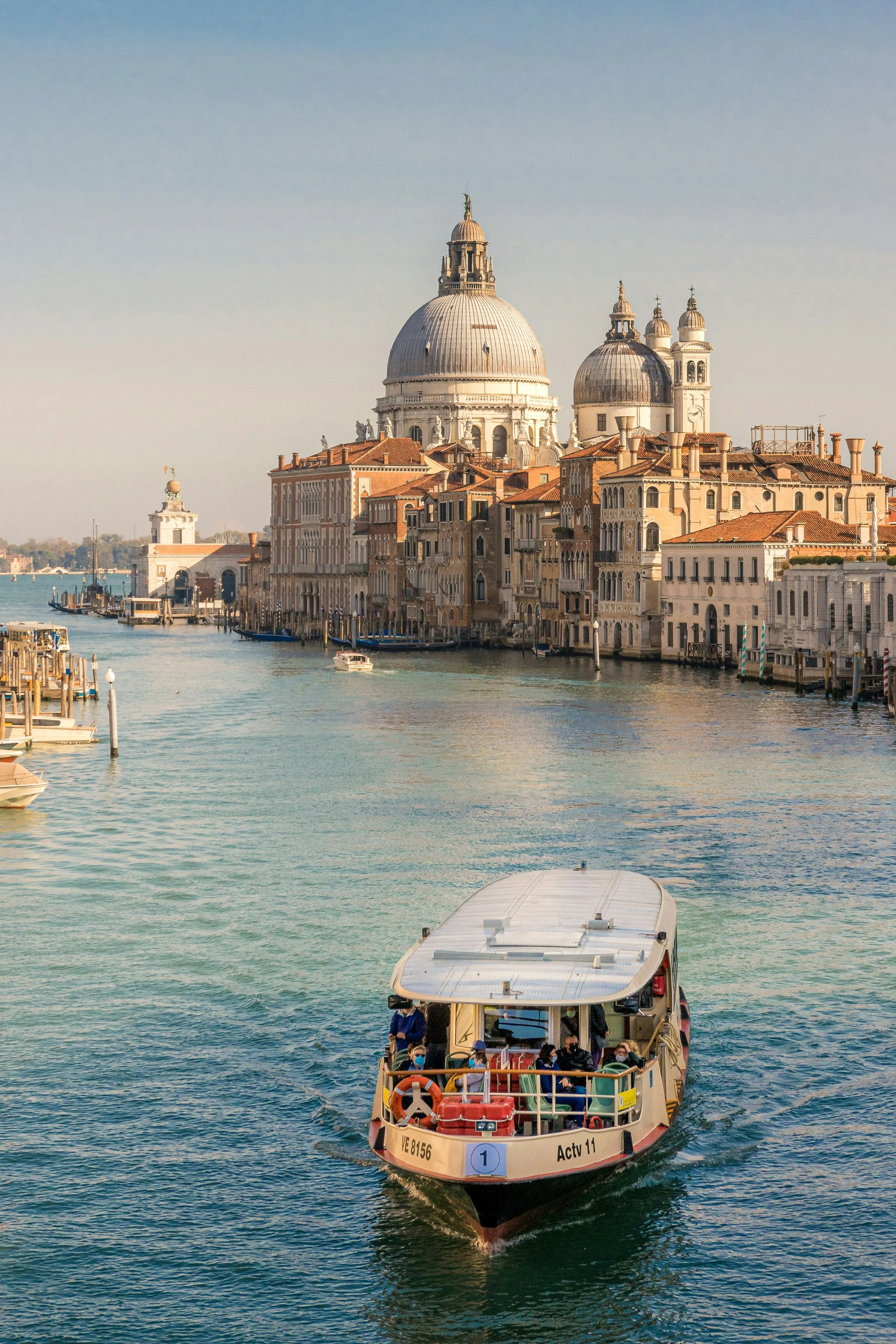
Our Insider Tip: Take Vaporetto Line 1 along the Grand Canal for beautiful views of Venice's palaces, churches, and bridges. It's one of the most scenic public transportation rides in Italy.
MUST-SEE ATTRACTIONS
-
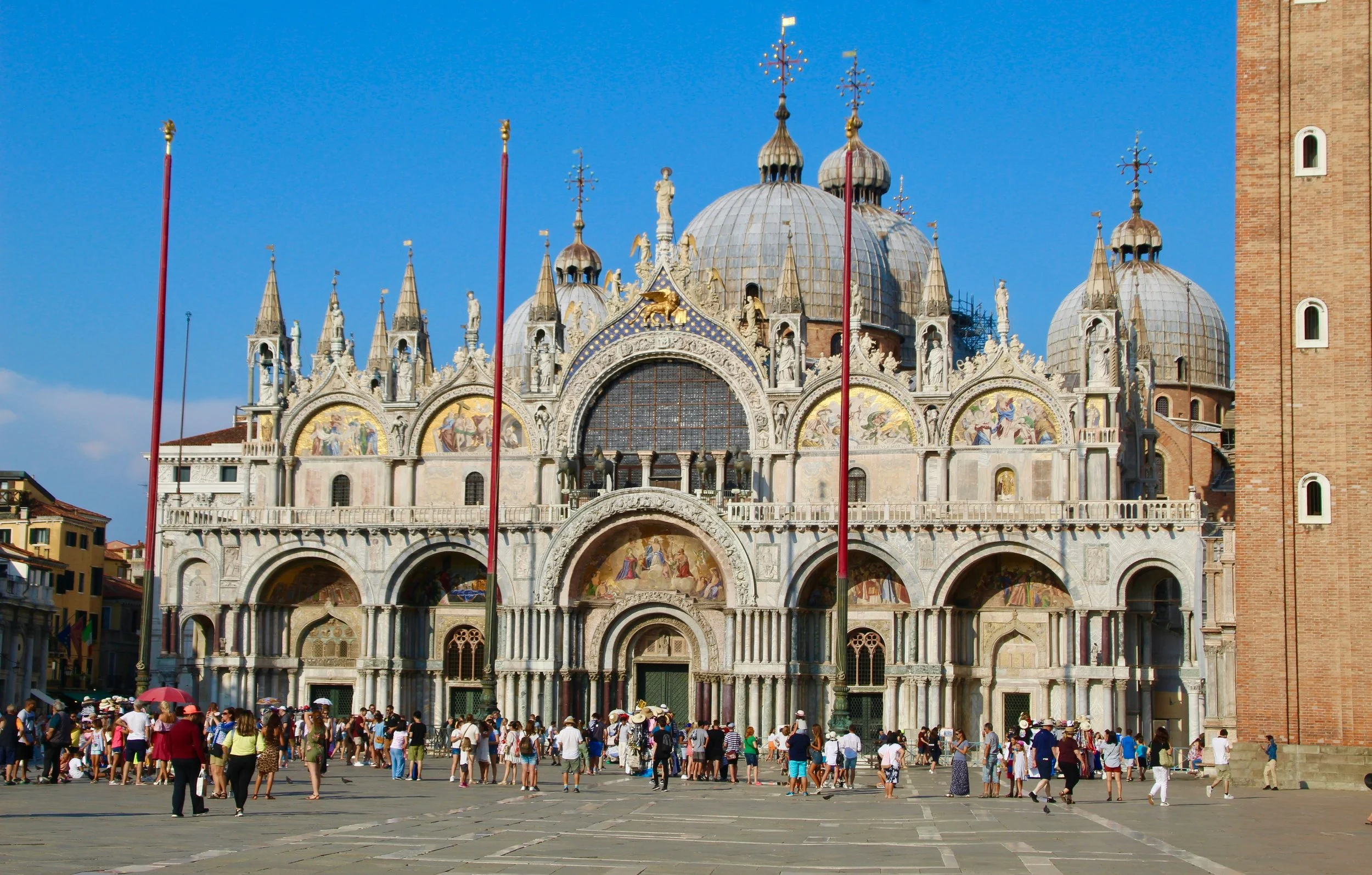
ST. MARK'S BASILICA & ST. MARK'S SQUARE
St. Mark's Basilica & St. Mark's Square
Venice's most famous square and its magnificent Byzantine-style basilica. Visit the basilica's elaborate mosaics, admire the architecture, and explore the surrounding historic buildings.
-
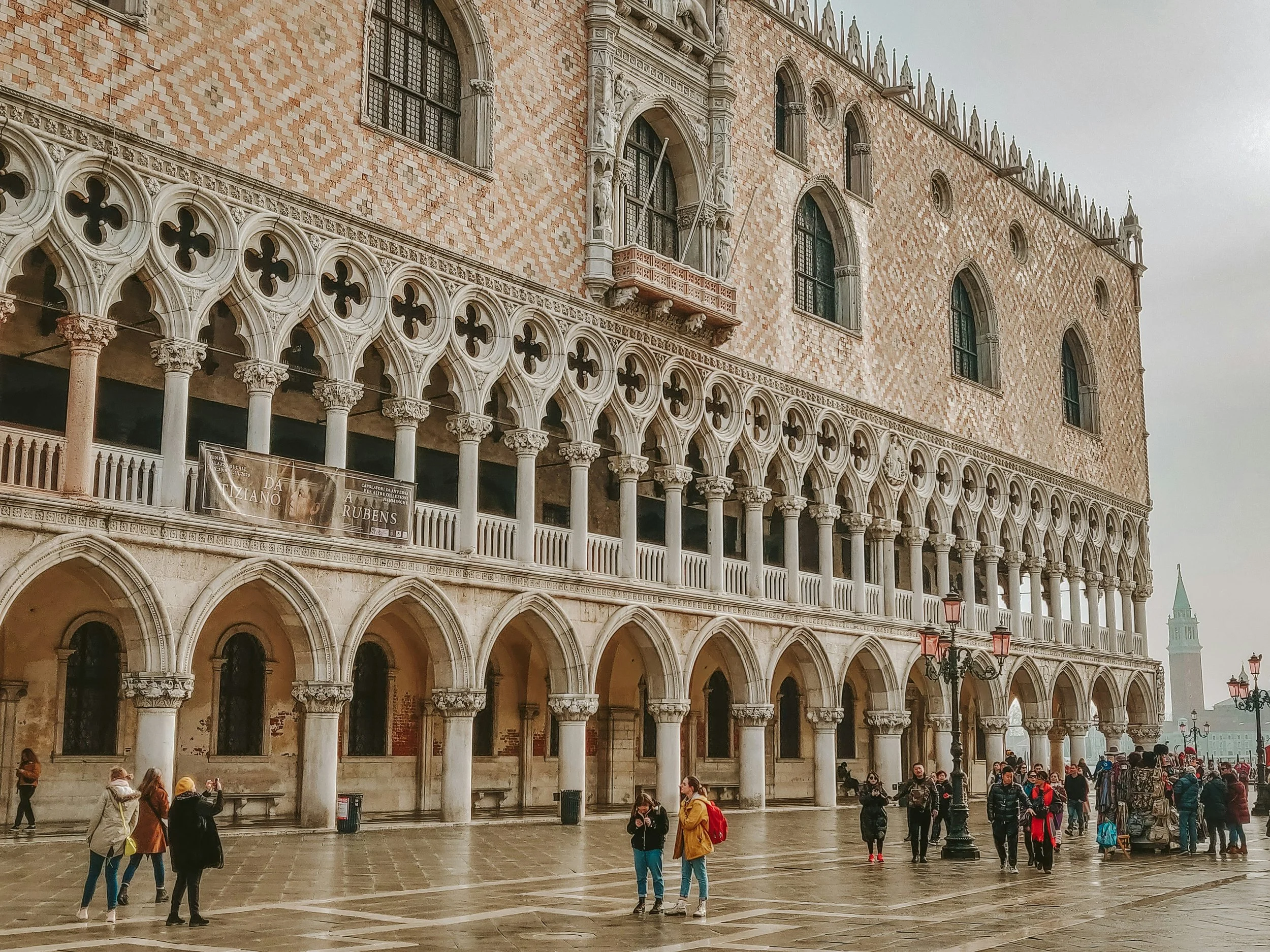
DOGE'S PALACE & BRIDGE OF SIGHS
Doge's Palace & Bridge of Sighs
Explore the former seat of Venetian government, featuring grand halls, historic artwork, and the famous Bridge of Sighs connecting the palace to its former prisons.
-
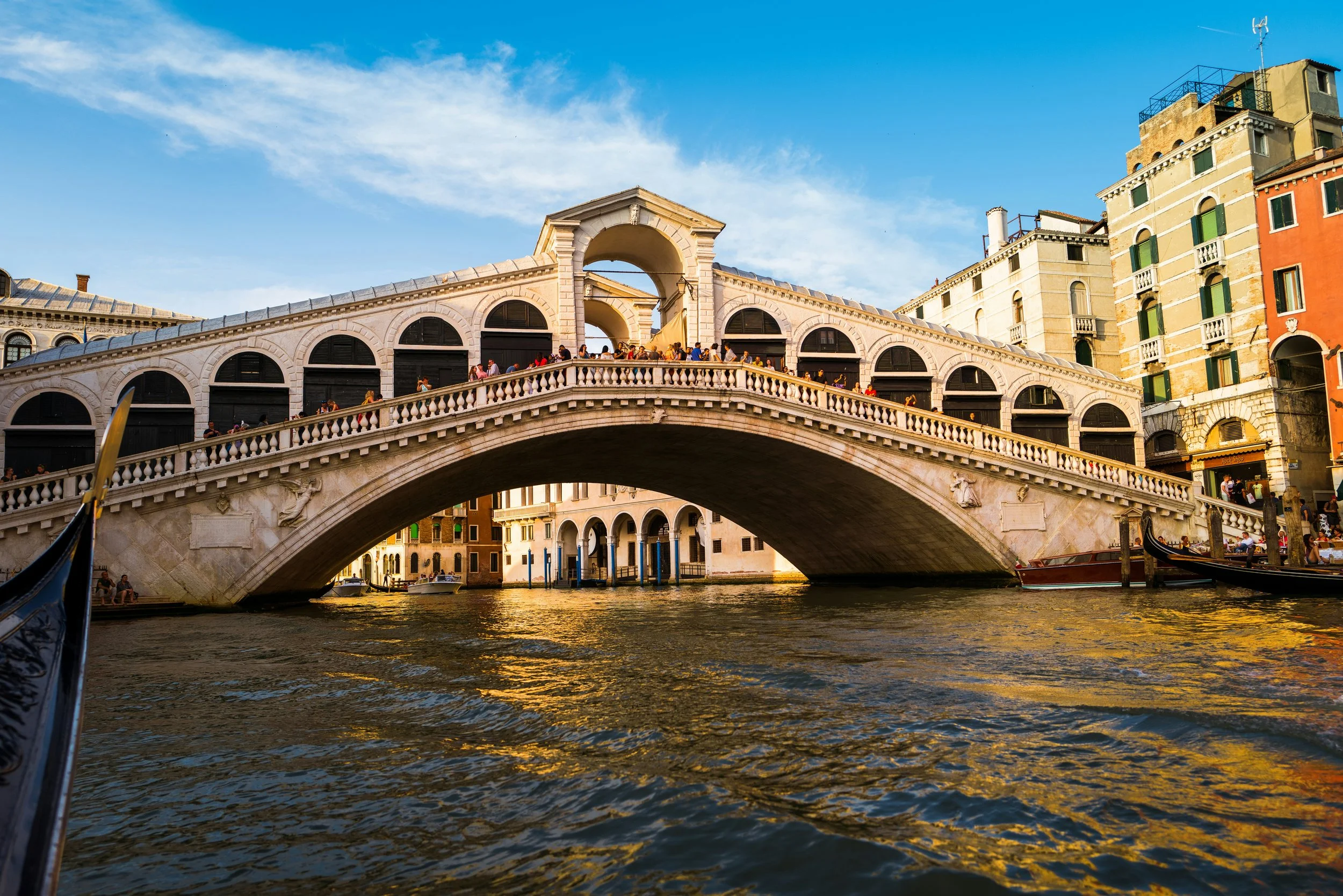
RIALTO BRIDGE & RIALTO MARKET
Venice's most iconic bridge spans the Grand Canal. Nearby, the Rialto Market offers a glimpse into local life with fresh produce and seafood vendors. Market hours vary.
-
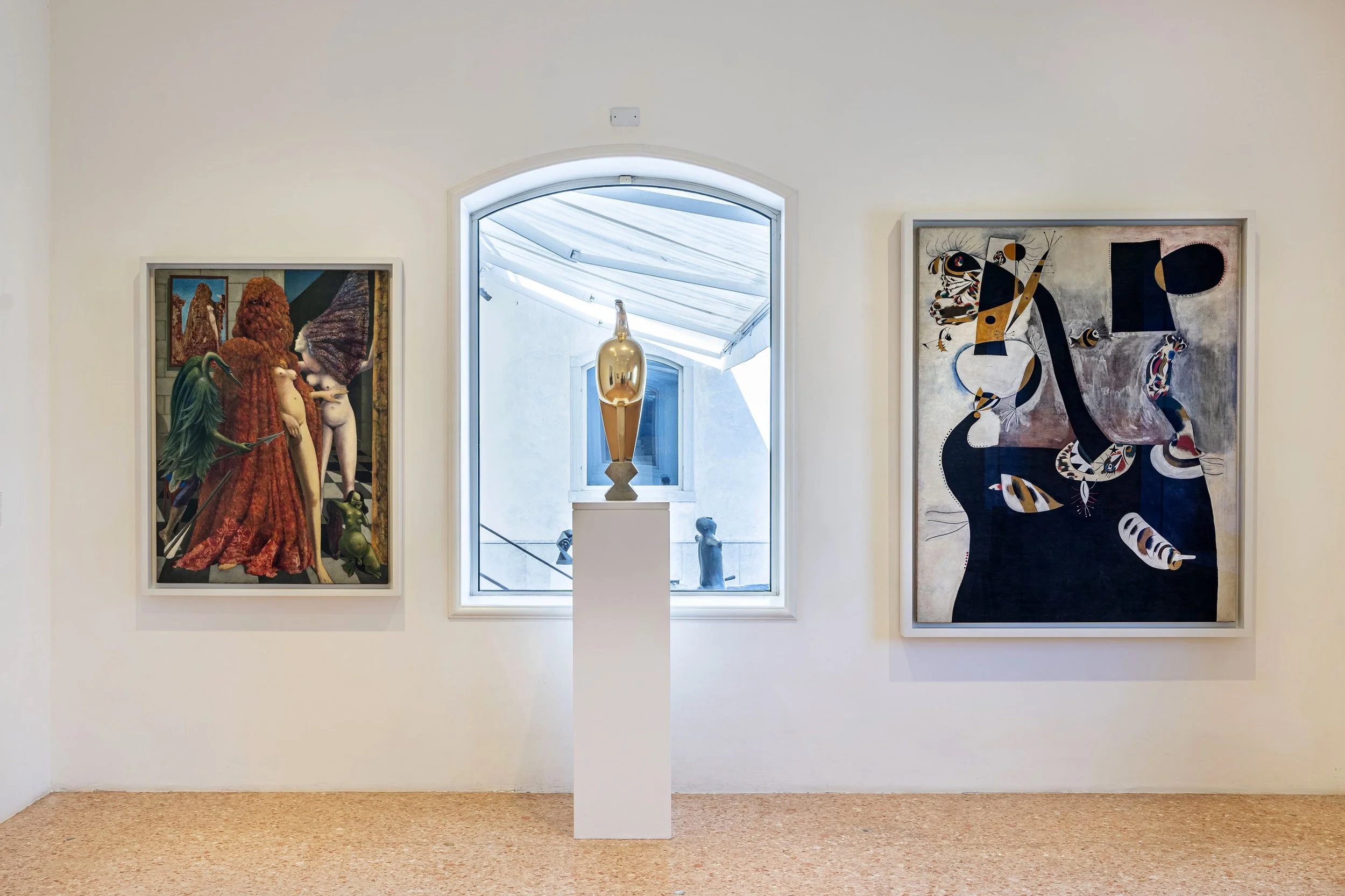
PEGGY GUGGENHEIM COLLECTION
A world-renowned modern art museum housed in a beautiful palazzo along the Grand Canal, featuring works by Picasso, Dalí, Pollock, and other influential artists.
-
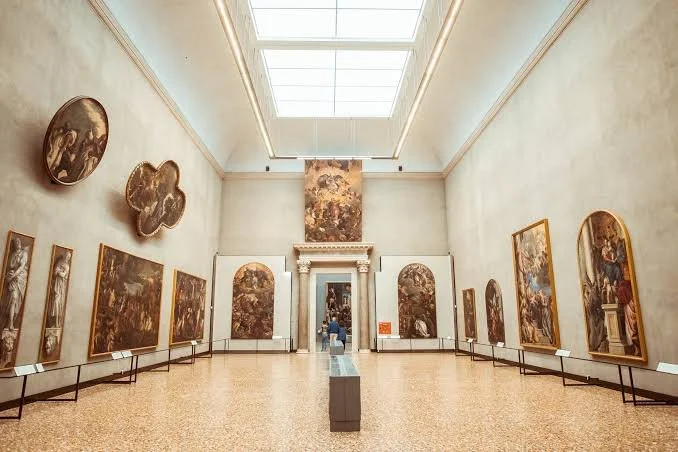
GALLERIE DELL'ACCADEMIA
A must for art enthusiasts, this museum houses an exceptional collection of Venetian paintings, including masterpieces by Bellini, Titian, and Tintoretto.
-
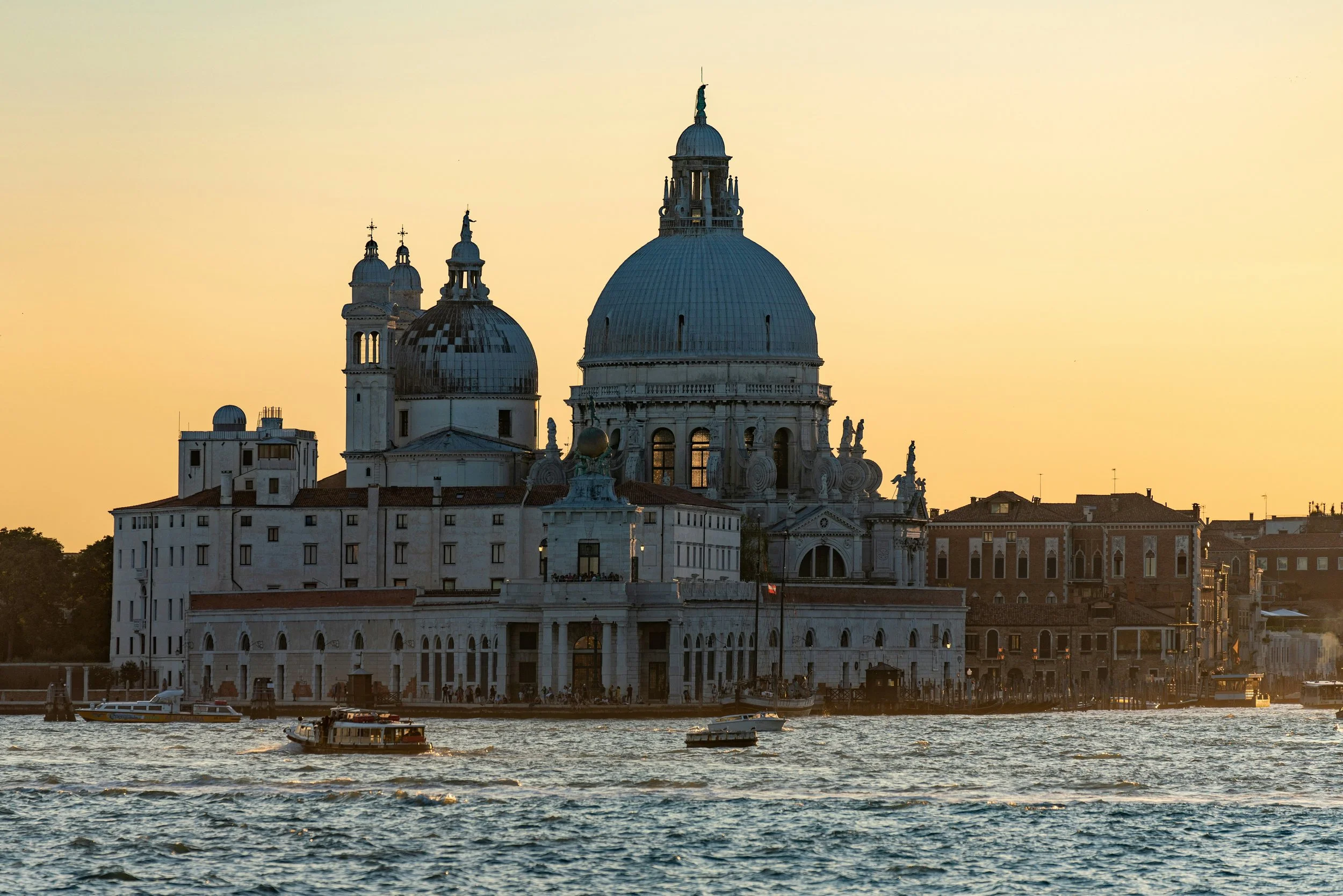
BASILICA DI SANTA MARIA DELLA SALUTE
One of Venice's most recognizable churches, beautifully situated at the entrance to the Grand Canal and especially picturesque at sunset.
UNIQUE VENETIAN EXPERIENCES
-
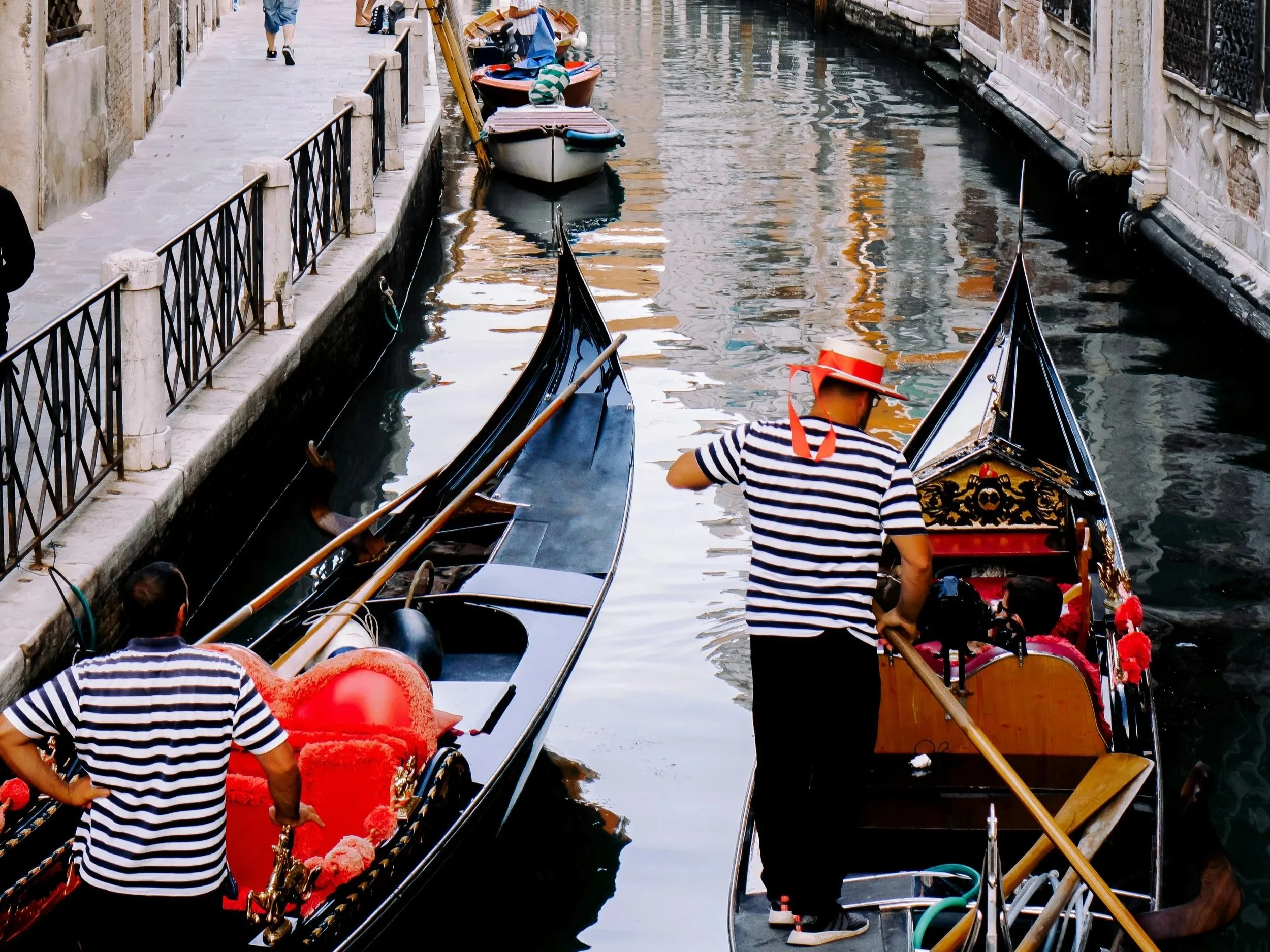
TAKE A GONDOLA RIDE
A traditional gondola ride is one of Venice's most memorable experiences. For a quieter, more intimate journey, consider a route through the smaller canals rather than the busiest stretches of the Grand Canal.
For a shorter, less expensive experience, try a traghetto, a traditional gondola-style ferry that carries passengers across the Grand Canal at designated crossing points when operating.
-
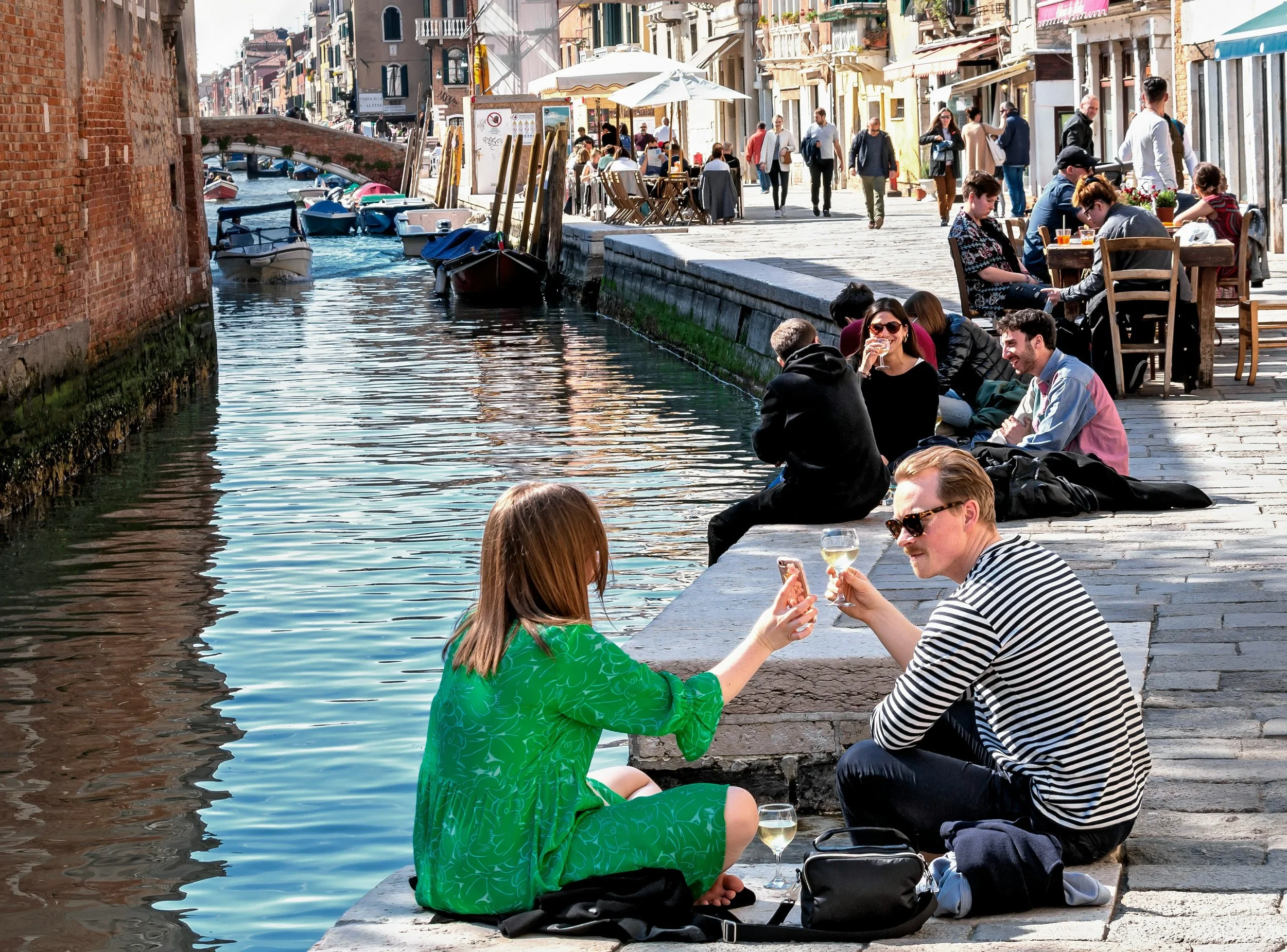
EXPLORE VENICE'S NEIGHBORHOODS
Cannaregio: A more residential area with traditional wine bars, canals, and the historic Jewish Ghetto.
Dorsoduro: Home to art galleries, museums, quieter canals, and the beautiful Zattere waterfront promenade.
Castello: A wonderful area for discovering less crowded streets, local shops, and everyday Venetian life.
San Polo: Known for the Rialto Market, lively squares, small restaurants, and historic churches.
-
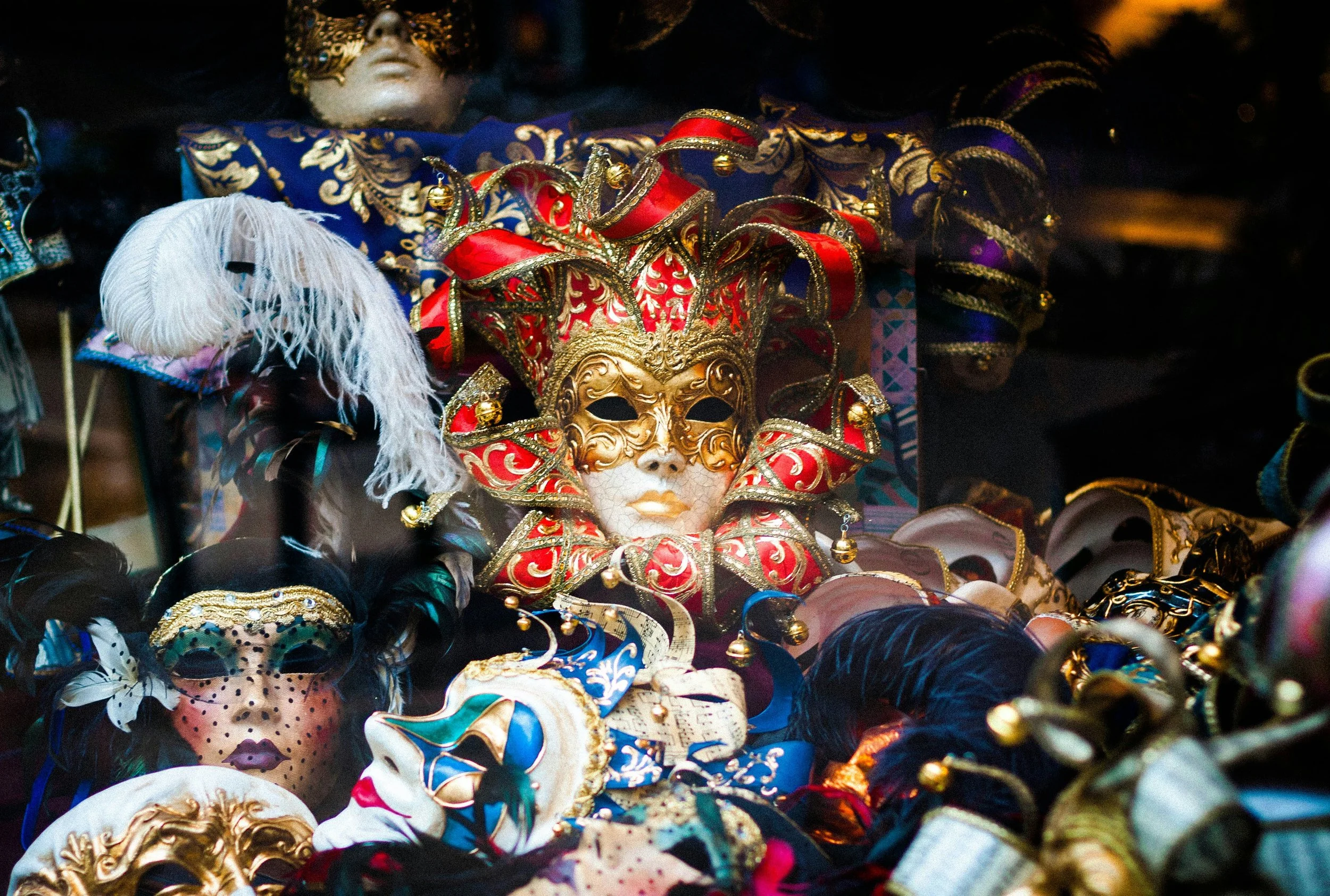
VISIT AN ARTISAN WORKSHOP
Venice is famous for its traditional craftsmanship, including handmade Carnival masks, fine textiles, and Murano glass. Consider visiting an authentic workshop to see local artisans at work.
-
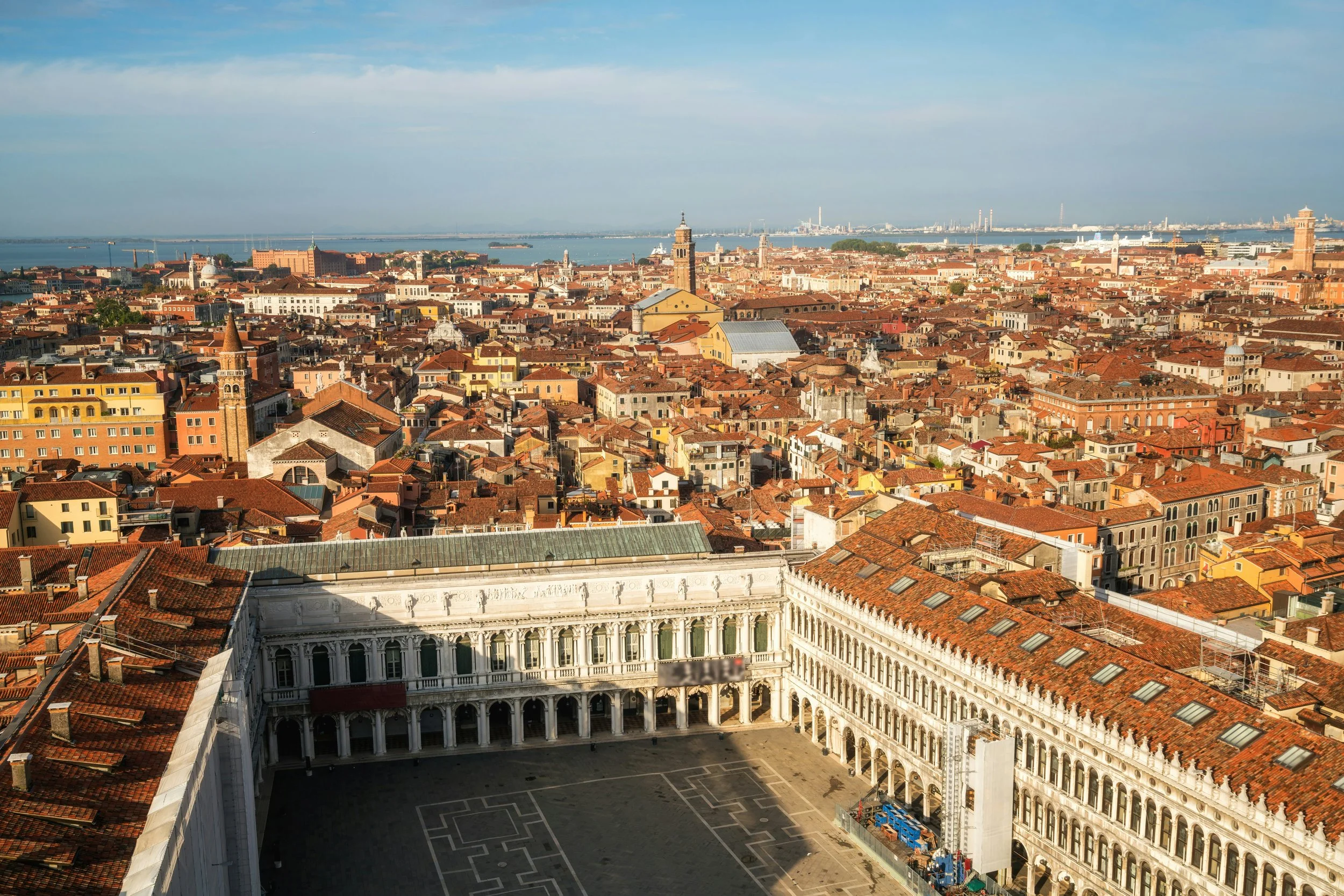
EXPERIENCE VENICE EARLY OR LATE
Some of the most memorable moments in Venice happen before the day-trip crowds arrive or after they depart. Enjoy a quiet morning walk through St. Mark's Square or an evening stroll along the canals.
-
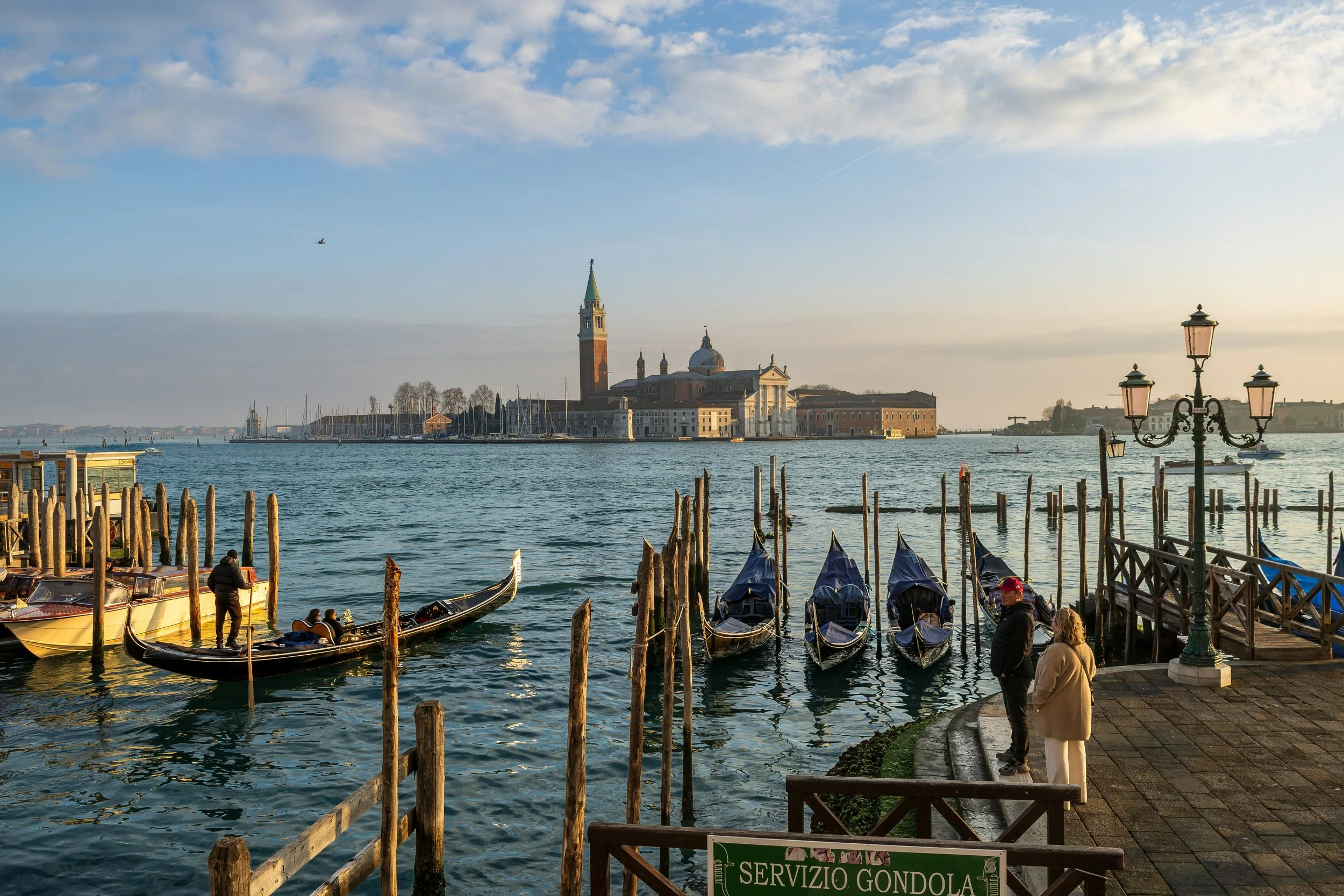
DISCOVER VENICE'S WATERFRONT PROMENADES
The Zattere in Dorsoduro, Fondamente Nove in Cannaregio, and Riva degli Schiavoni near St. Mark's Square offer beautiful waterfront walks and views across the lagoon.
FOOD & DINING IN VENICE
Venetian cuisine is heavily influenced by the city's maritime history, with fresh seafood, regional wines, and traditional small plates playing an important role.
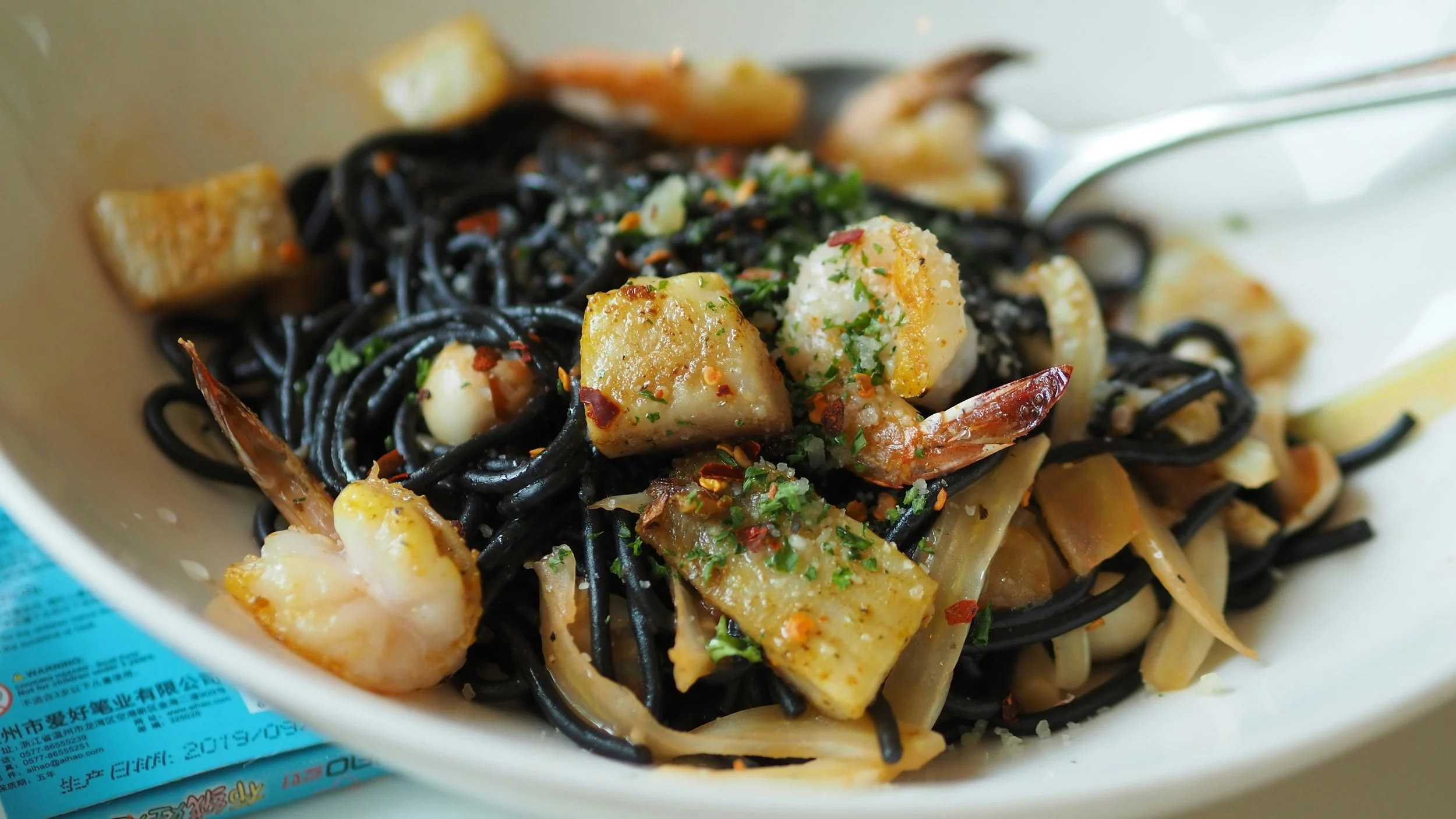
LOCAL SPECIALTIES TO TRY
Cicchetti: Small Venetian appetizers, often enjoyed with wine or a spritz at a traditional bacaro (wine bar).
Sarde in saor: Sweet-and-sour sardines with onions, raisins, and pine nuts.
Baccalà mantecato: Creamy whipped salt cod, commonly served on toasted bread or polenta.
Risotto al nero di seppia: Risotto prepared with cuttlefish ink.
Fritto misto: Lightly fried seafood, typically including shrimp, squid, and small fish.
Venetian Spritz: A classic aperitif made with Prosecco, a bitter liqueur such as Select or Aperol, and soda water.
Bellini: A refreshing cocktail of Prosecco and white peach purée, famously created in Venice.
RECOMMENDED RESTAURANTS & WINE BARS
-
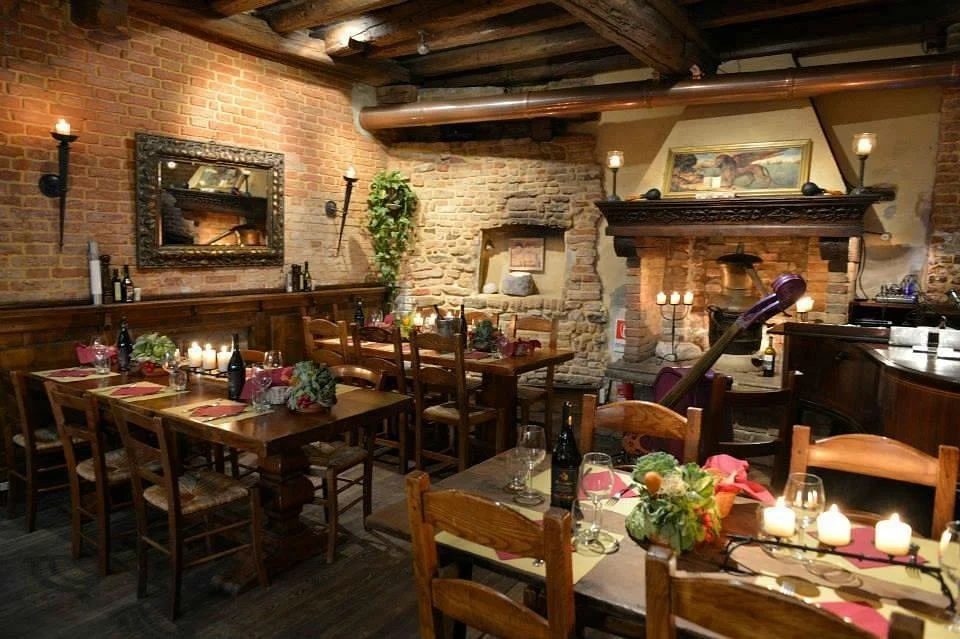
TAVERNA AL REMER
Charming Venetian restaurant near the Rialto Bridge, known for its traditional cuisine and atmospheric setting overlooking the Grand Canal.
-
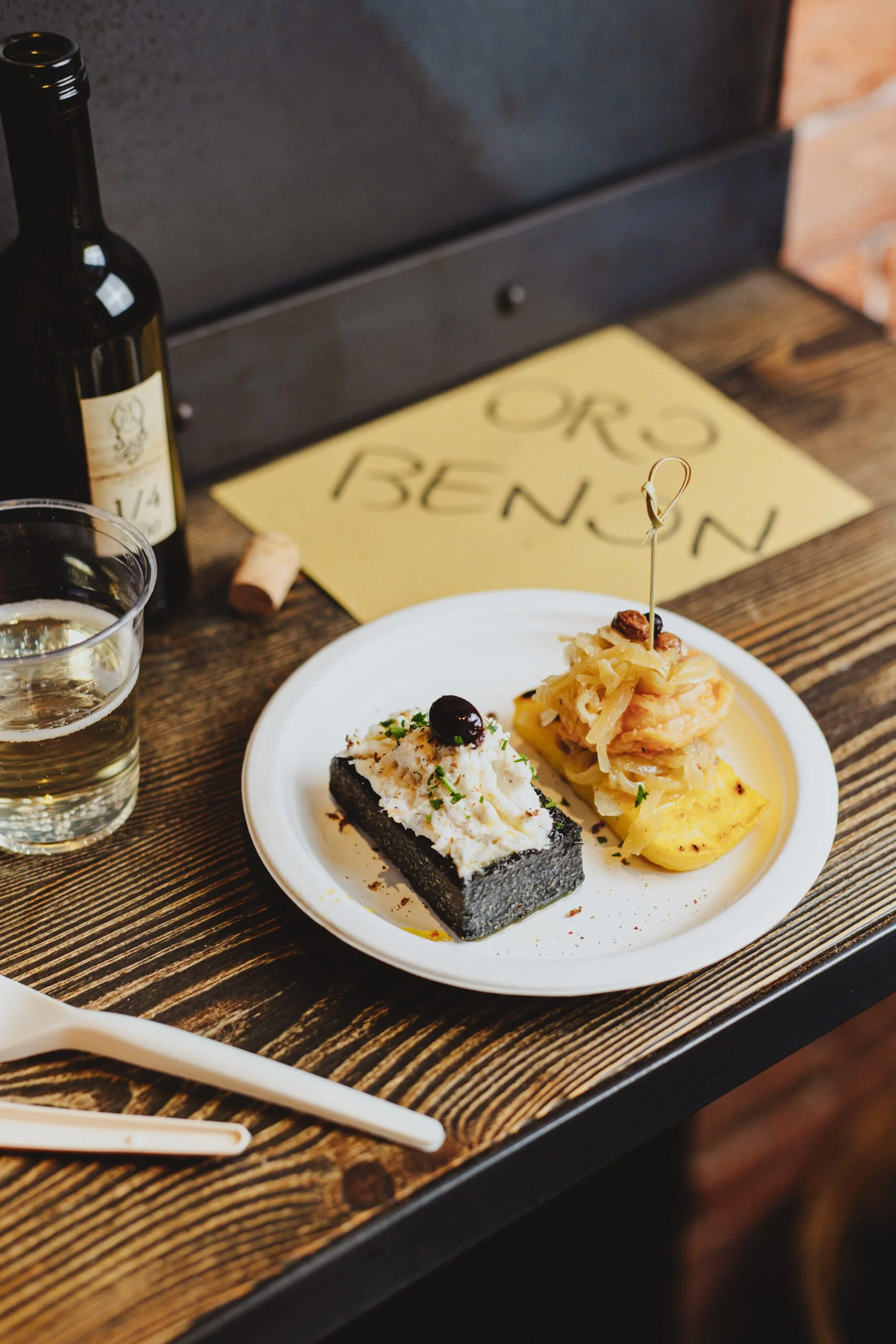
SEPA
Casual Venetian eatery offering delicious cicchetti, local wines, and traditional specialties. Perfect for a quick lunch or aperitivo.
-
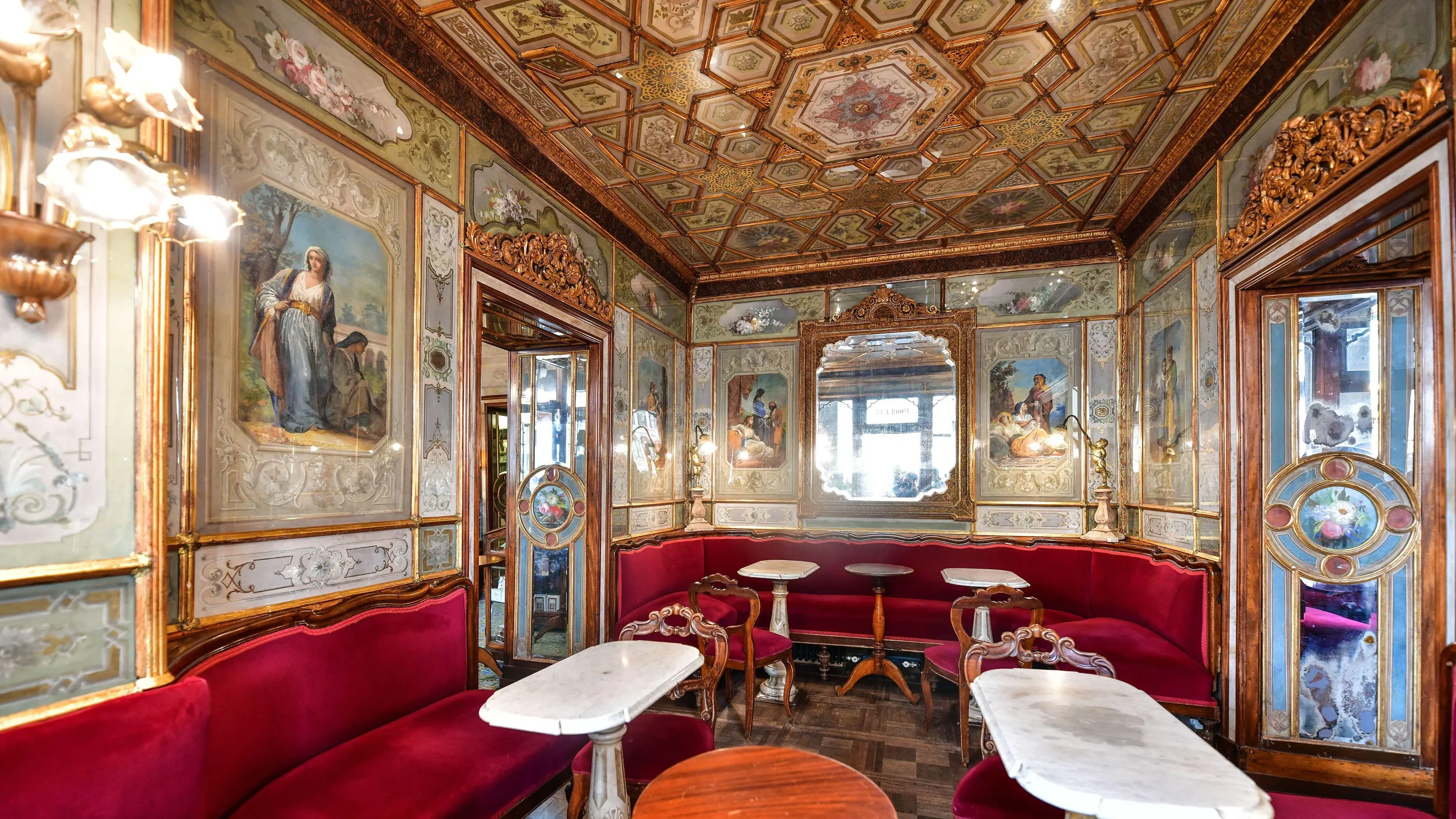
CAFFE FLORIAN
One of Italy's most historic cafés, located directly in St. Mark's Square and dating to 1720. A beautiful destination for coffee, pastries, or afternoon tea.
-
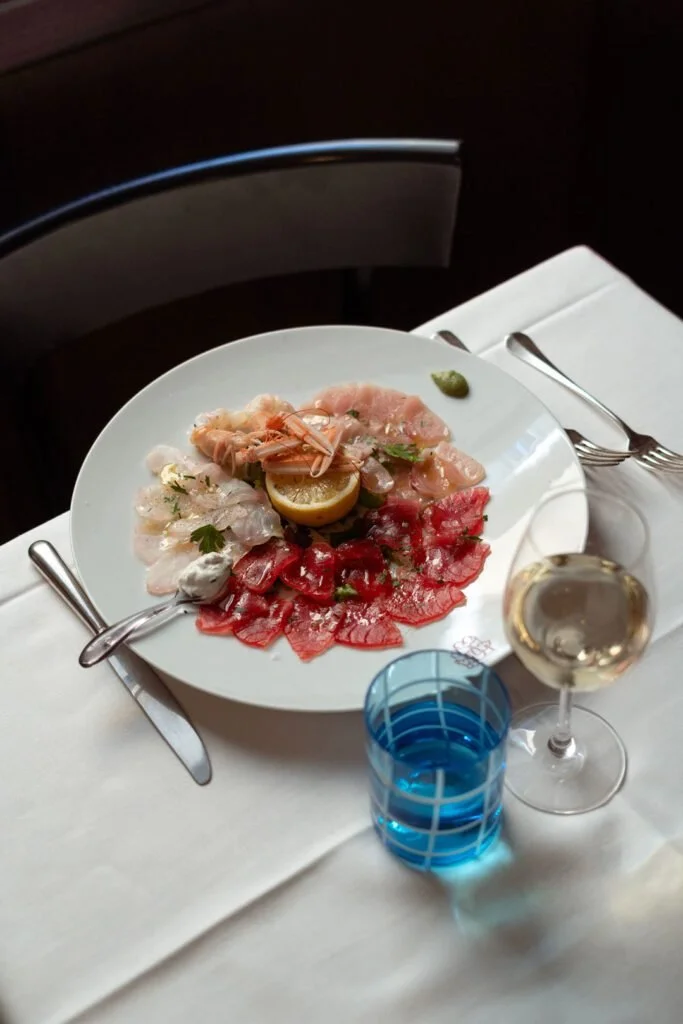
ANTICHE CARAMPANE
A traditional Venetian restaurant tucked away near the Rialto Market, specializing in fresh seafood and classic regional dishes.
-
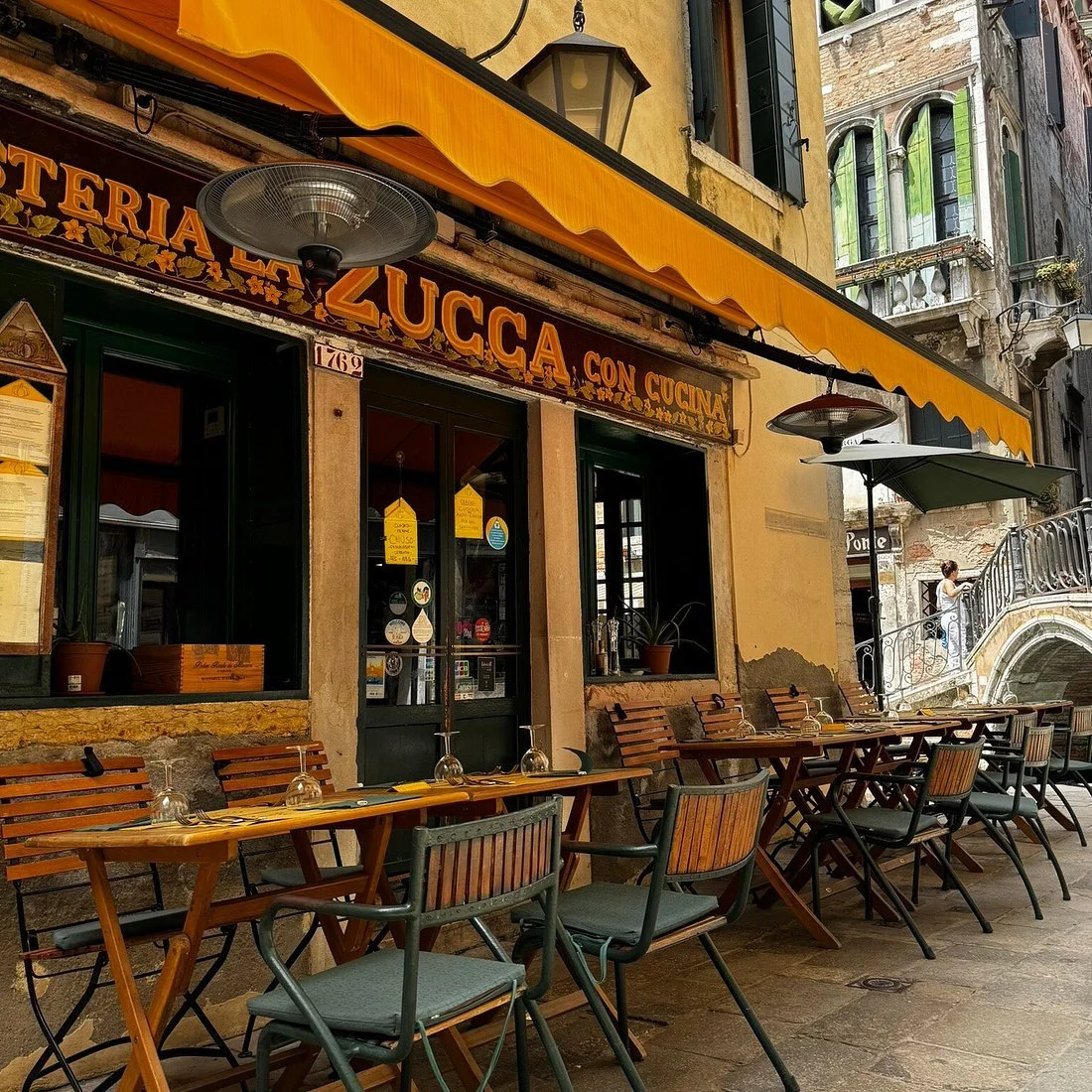
OSTERIA LA ZUCCA
Cozy restaurant known for creative seasonal vegetable dishes and a welcoming atmosphere. A wonderful option for guests seeking a break from seafood.
Our Insider Tip: Experience a traditional Venetian bacaro crawl by visiting several small wine bars for cicchetti and a glass of local wine at each stop. It's a wonderful way to experience Venice's culinary culture.
-
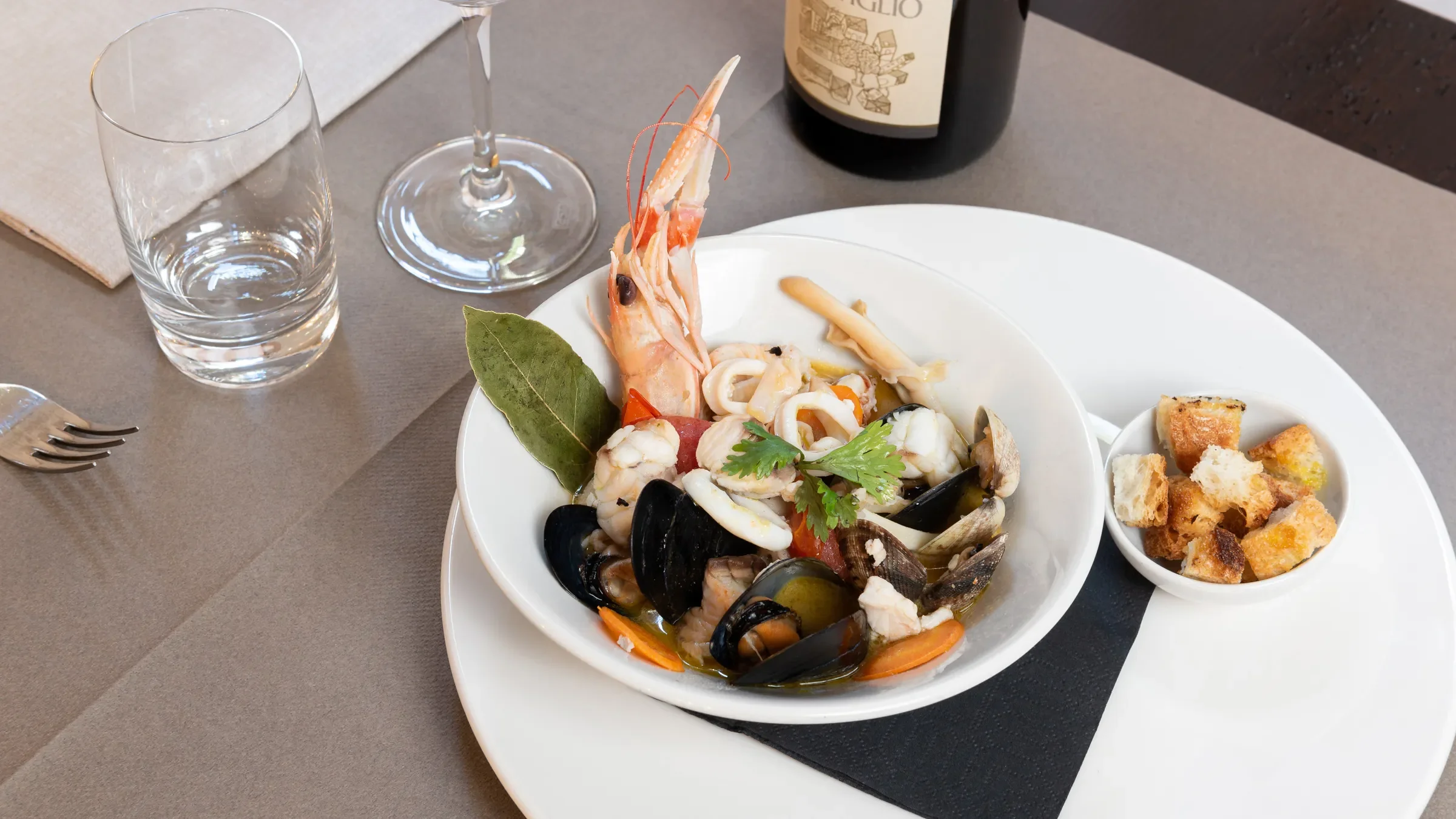
OSTERIA ALLE TESTIERE
An intimate, highly regarded restaurant serving seasonal seafood and Venetian cuisine. Reservations are strongly recommended.
NEARBY ISLANDS & DAY TRIPS
-

MURANO
Approximately 15–30 minutes by water bus
Famous for centuries-old glassmaking traditions. Visit a glassblowing workshop, browse artisan galleries, and explore the island's peaceful canals.
-
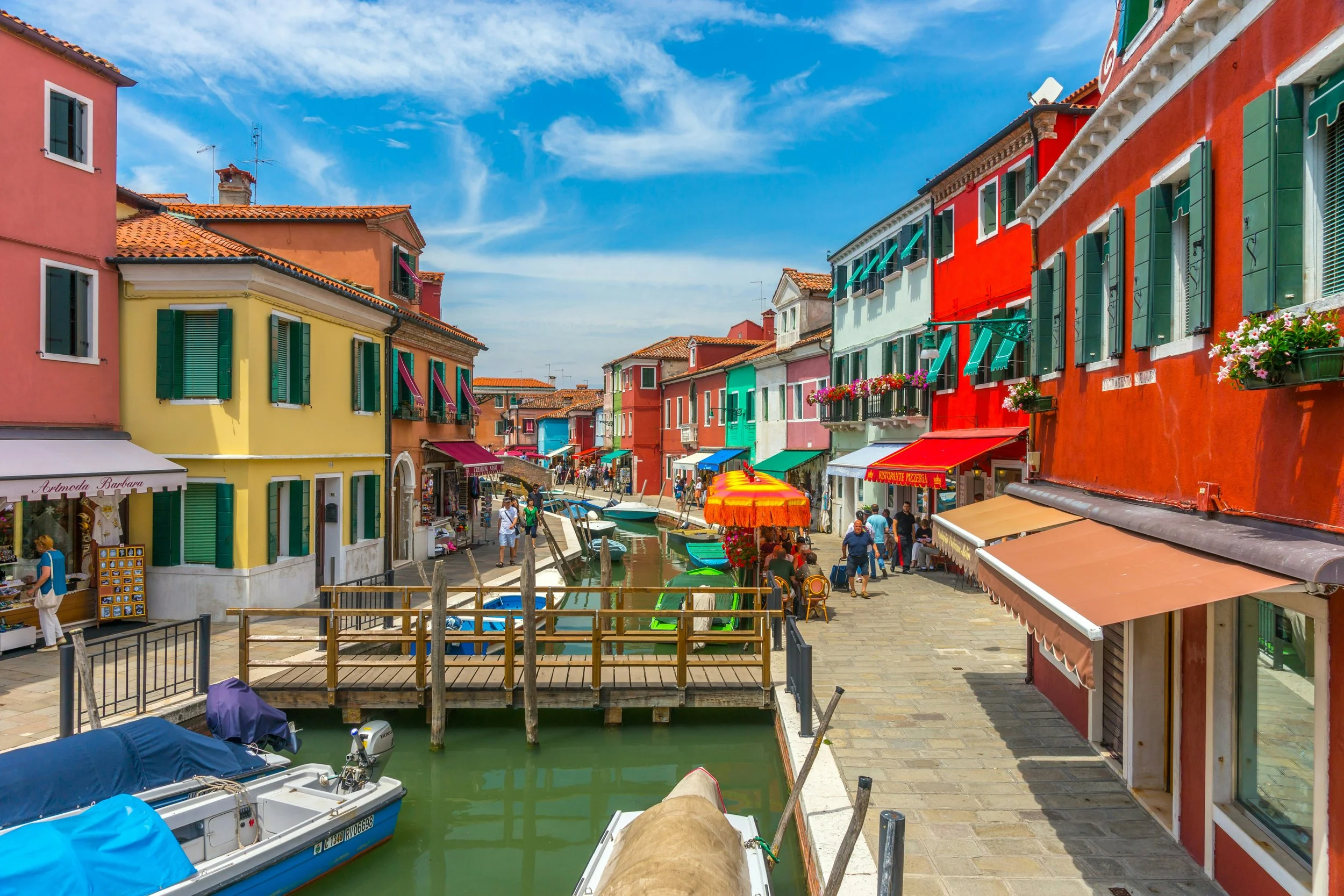
BURANO
Approximately 40–50 minutes by direct water bus
Known for its colorful houses, traditional lace-making, and picturesque canals. One of the most photogenic destinations in the Venetian Lagoon.
-
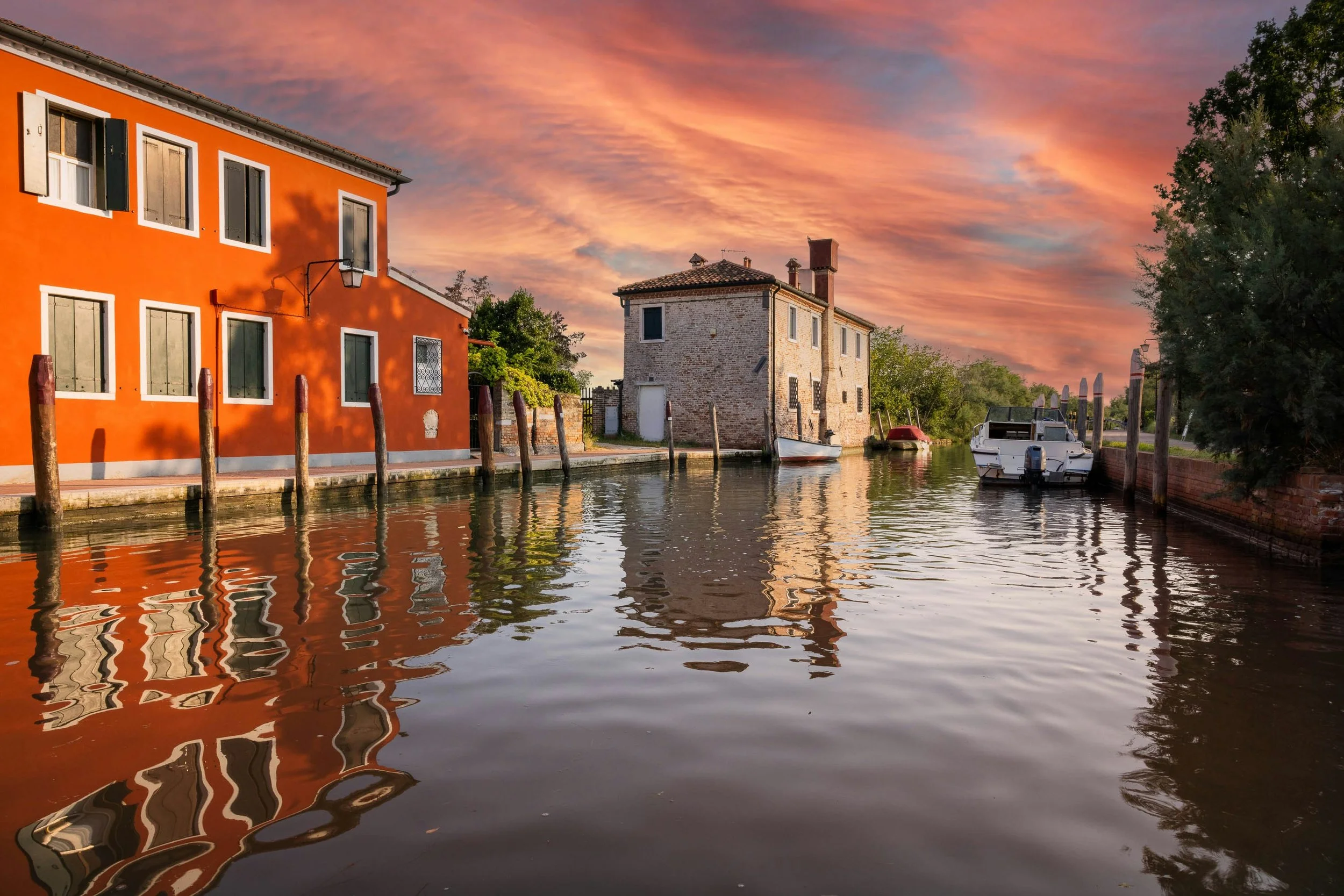
TORCELLO
Approximately 5–10 minutes by boat from Burano
A quieter lagoon island with historic churches, peaceful walking paths, and a fascinating connection to Venice's early history.
-
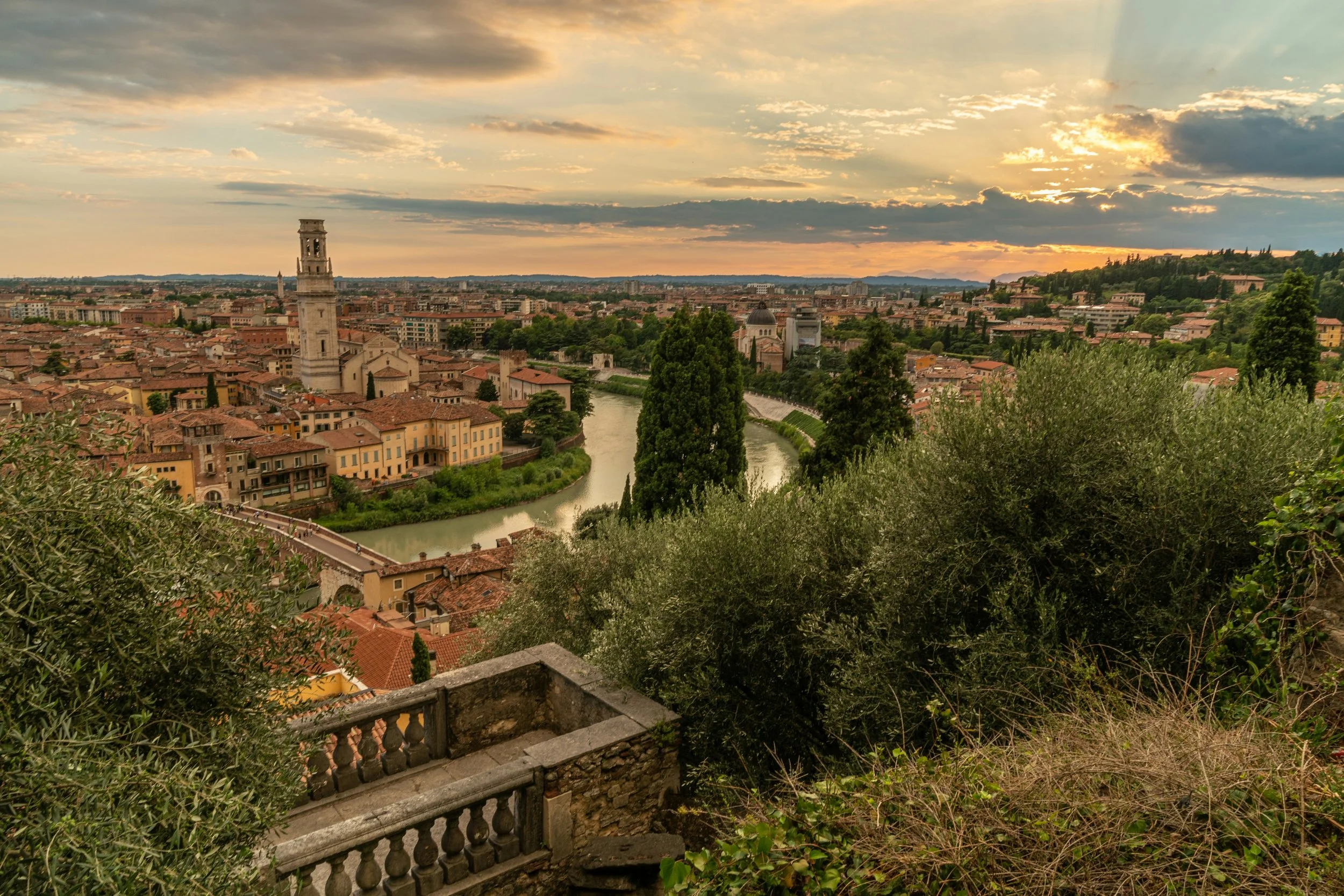
VERONA
Approximately 1–1.25 hours by train
Famous for its Roman Arena, beautiful historic center, and associations with Shakespeare's Romeo and Juliet.
-
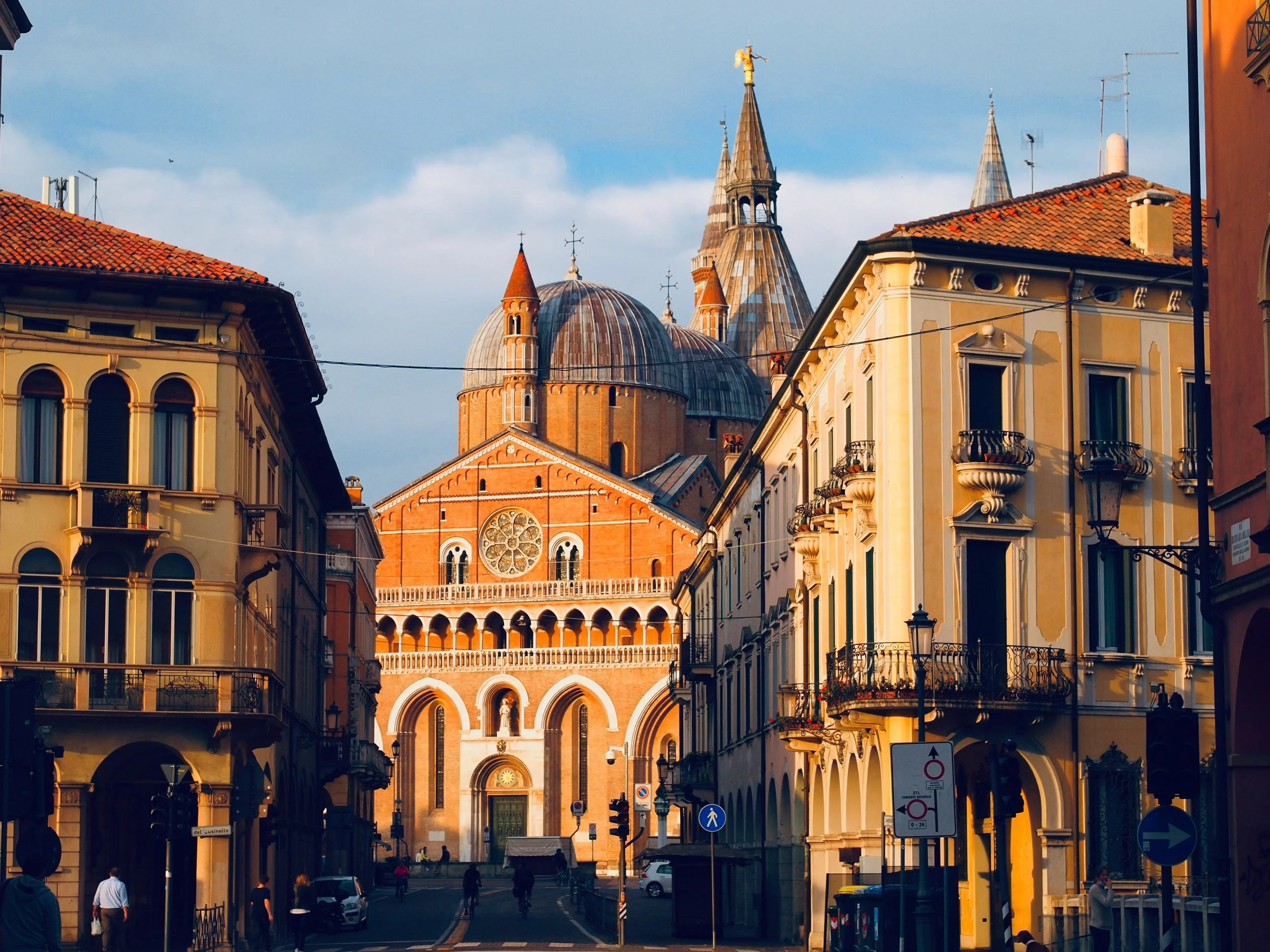
PADUA (PADOVA)
Approximately 25–45 minutes by train
A historic university city known for Giotto's magnificent frescoes in the Scrovegni Chapel, charming piazzas, and the Basilica of Saint Anthony.
-
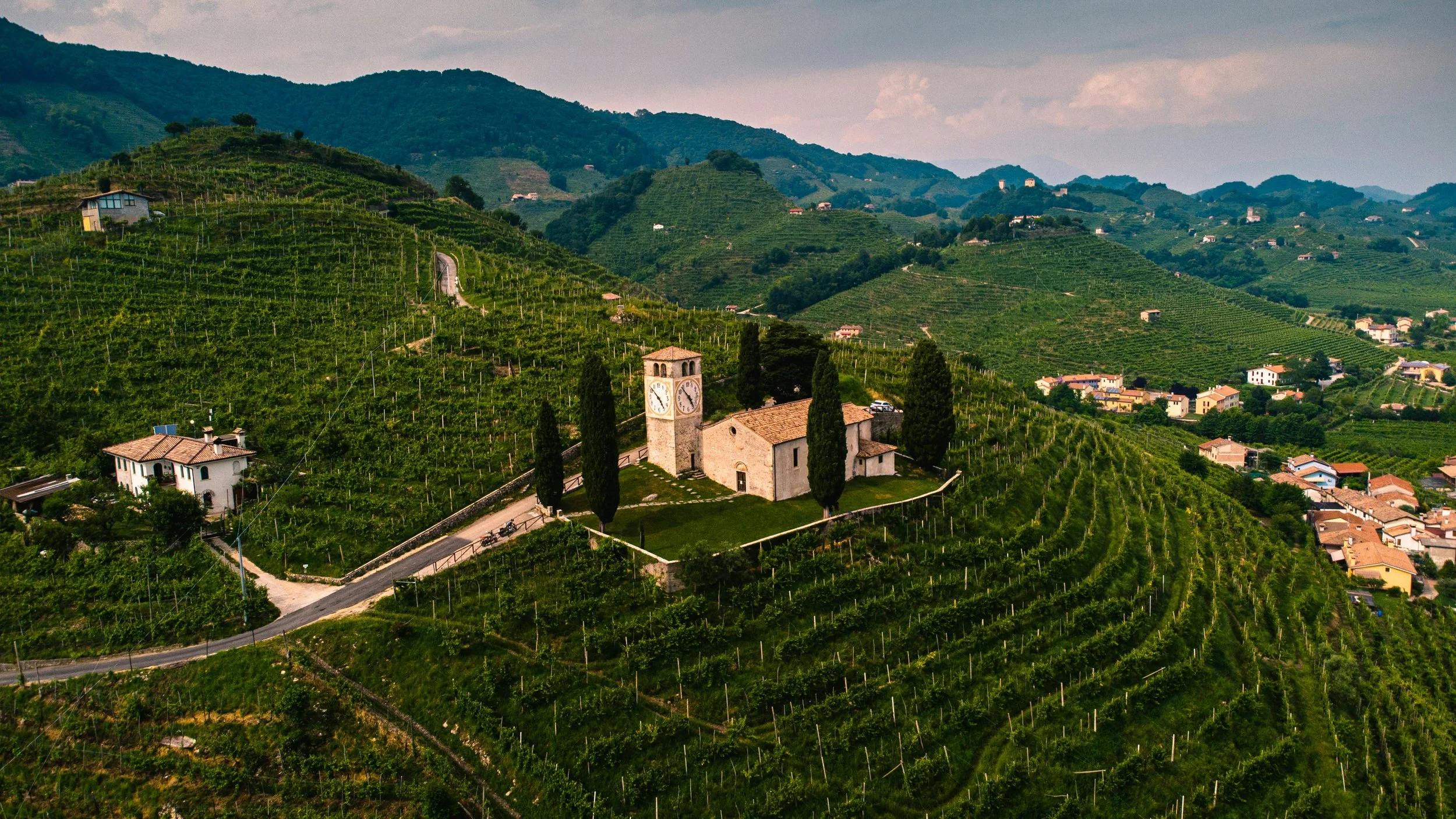
PROSECCO HILLS
Approximately 1–1.5 hours by car
Discover the rolling vineyards of the Veneto wine region with winery visits, tastings, and beautiful countryside scenery.
For guests planning a longer trip, Lake Garda and the Dolomites are also wonderful destinations to combine with Venice. Both are generally better suited to an overnight or multi-day extension rather than a quick day trip.
ADDITIONAL INSIDER TIPS
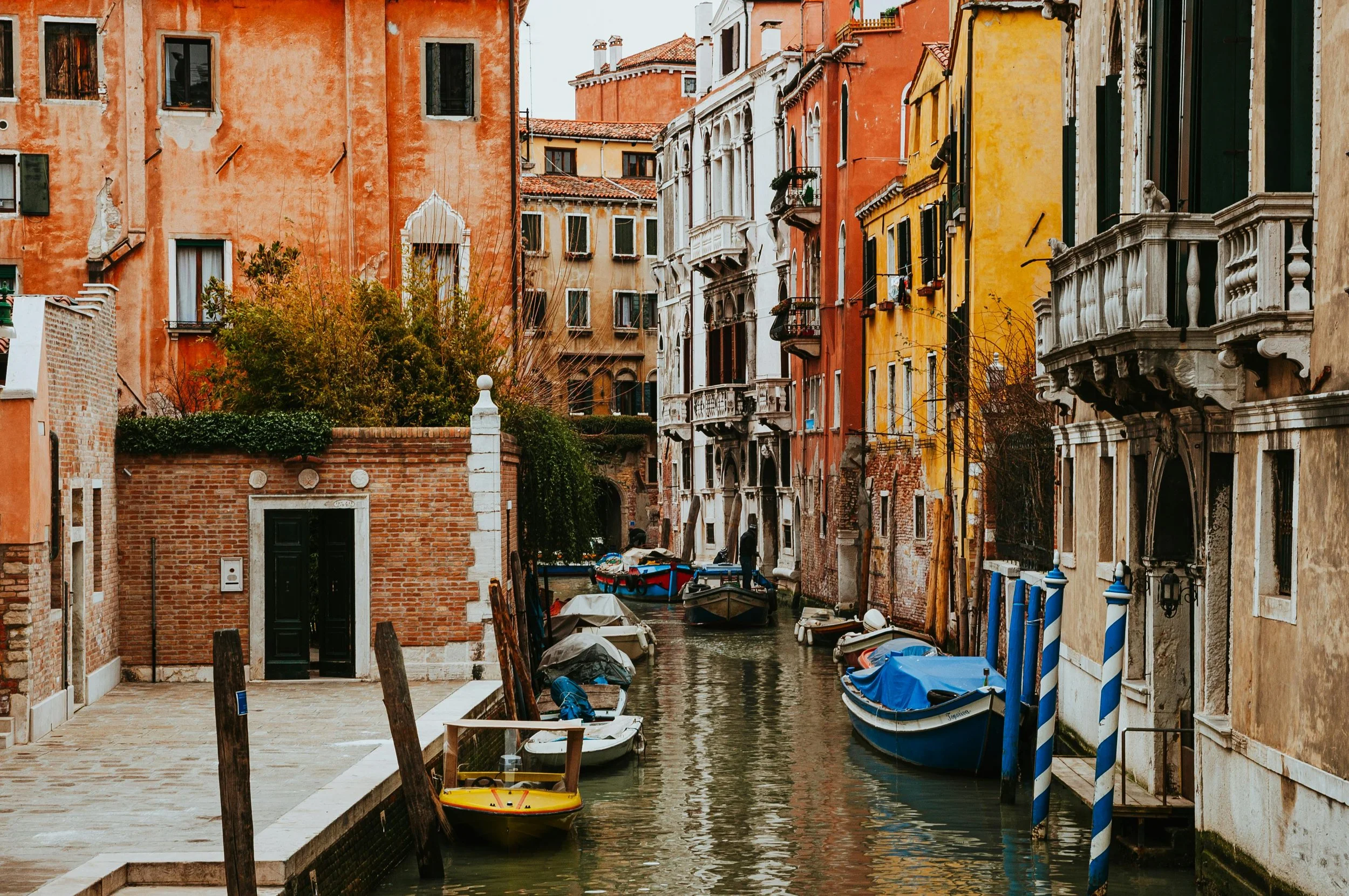
Book major attractions in advance. St. Mark's Basilica, Doge's Palace, and popular museums can have long lines, particularly during peak season.
Allow extra travel time. Venice's maze of streets and bridges can make even short journeys take longer than expected.
Travel light. Luggage must often be carried over bridges and through narrow streets unless your accommodations have convenient boat access.
Explore beyond St. Mark's Square. Cannaregio, Castello, and Dorsoduro offer wonderful opportunities to experience a quieter side of Venice.
Be mindful of local customs. Avoid swimming in canals, sitting on historic monuments, or picnicking in prohibited public areas.
Choose authentic Venetian souvenirs. Murano glass, Burano lace, handmade Carnival masks, and local artisan products make meaningful keepsakes.
Enjoy Venice after dark. Evening strolls through illuminated squares and quiet canals are among the most memorable ways to experience the city.
For additional sightseeing ideas, walking routes, and recommendations, explore our Venice Guest Guide.